


Cylocybe guides
Grow kit guides.
Step-by-step instructions for our grow kits, written by us. Our guides will get you growing mushrooms, they're not going to turn you into a cultivation wizard - that's not what we're about and it's not our mission statement. We give you the tools and an easy guide and with that you can grow mushrooms, sometimes you will grow mushrooms the size of your forearm, sometimes the size of your pinky. If you want to smash it in this hobby, you need to learn everything you can and that's the most fun part.
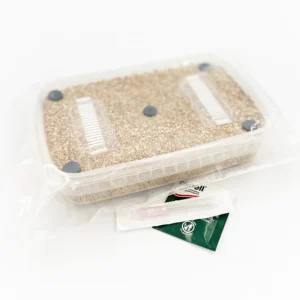 Cylocybe MycDrop Mushroom Grow KitThe full Cylocybe MycDrop Mushroom Grow Kit instructions, from unboxing to harvest.Read the guide →
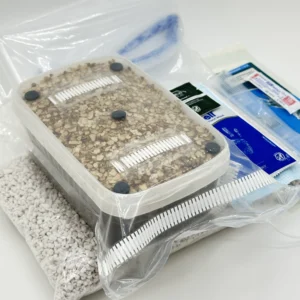 Cylocybe Special MycBox (GK/S)The full Cylocybe Special MycBox (GK/S) instructions, from unboxing to harvest.Read the guide →
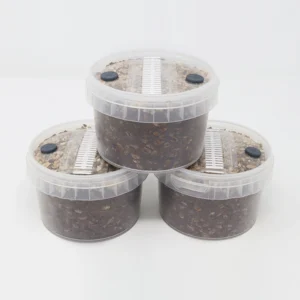 Cylocybe Special MycoPots³ Grow KitThe full Cylocybe Special MycoPots³ Grow Kit instructions, from unboxing to harvest.Read the guide →
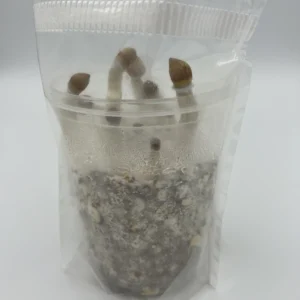 EZPZ Grow KitThe full EZPZ Grow Kit instructions, from unboxing to harvest.Read the guide →
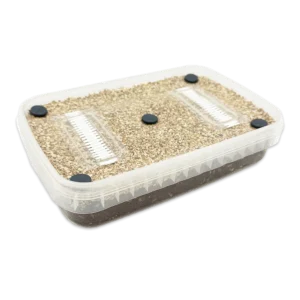 MycDrop Mushroom Grow KitThe full MycDrop Mushroom Grow Kit instructions, from unboxing to harvest.Read the guide →
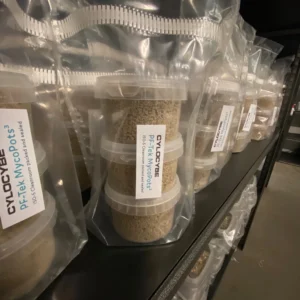 PF-Tek MycoPots³ Grow KitThe full PF-Tek MycoPots³ Grow Kit instructions, from unboxing to harvest.Read the guide →WeeZPZ Grow KitThe full WeeZPZ Grow Kit instructions, from unboxing to harvest.Read the guide →
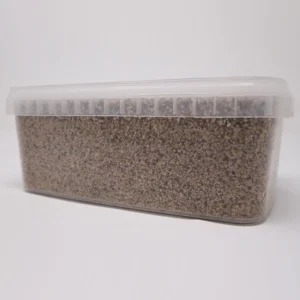 XL PF-Tek Mushroom Grow KitThe full XL PF-Tek Mushroom Grow Kit instructions, from unboxing to harvest.Read the guide →
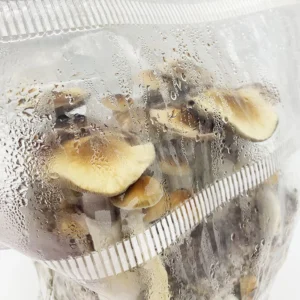 XXL MonoBox / MonoBag Mushroom Grow KitThe full XXL MonoBox / MonoBag Mushroom Grow Kit instructions, from unboxing to harvest.Read the guide →
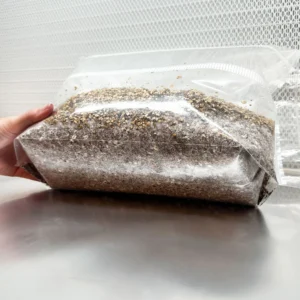 XXL MycMonster Mushroom Grow KitThe full XXL MycMonster Mushroom Grow Kit instructions, from unboxing to harvest.Read the guide →