
Grain, bulk and the colonised starter
Spawn and substrates.
Spawn is grain already colonised by mycelium, the living starter you expand from, while substrate is the bulk material it then runs into and fruits from. This page holds both, plus the grains and amendments for mixing your own.
The catalogue
20 in the range
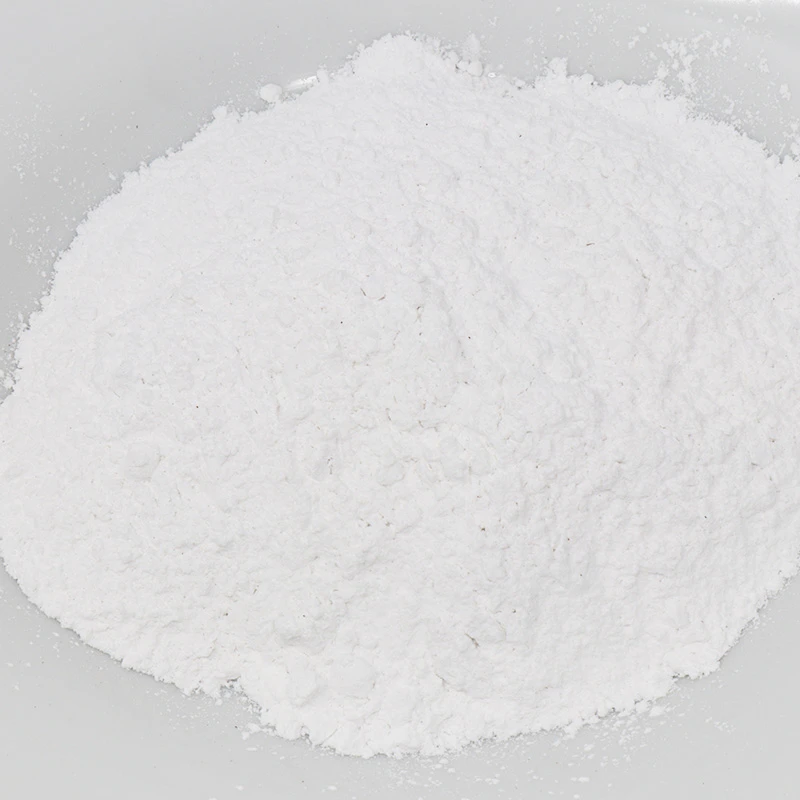
Agricultural lime
Agricultural Lime (Calcium Carbonate)
Finely milled calcium carbonate. A gentle, slow pH buffer that holds your casing and bulk mixes steady and adds calcium, without the caustic bite of hydrated lime.
Shop Agricultural Lime (Calcium Carbonate) →

Brown Rice Flour
Organic wholegrain brown rice flour, the nutrient half of a classic PF Tek substrate. You mix it with vermiculite and water, sterilise it in jars, then grow from it.
Shop Brown Rice Flour →

Calcium nitrate
Calcium Nitrate (100g)
A soluble 15.5-0-0 calcium nitrate: a calcium and nitrogen supplement for compost-grown mushrooms like button and portobello, and for the casing layer that goes on top.
Shop Calcium Nitrate (100g) →
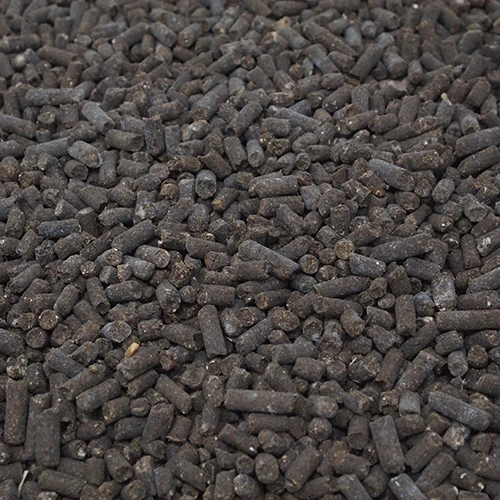
Chicken Manure Pellets
Heat treated, pelletised poultry manure. A slow release nitrogen and mineral feed for the compost you build for button, portobello and other compost loving mushrooms.
Shop Chicken Manure Pellets →
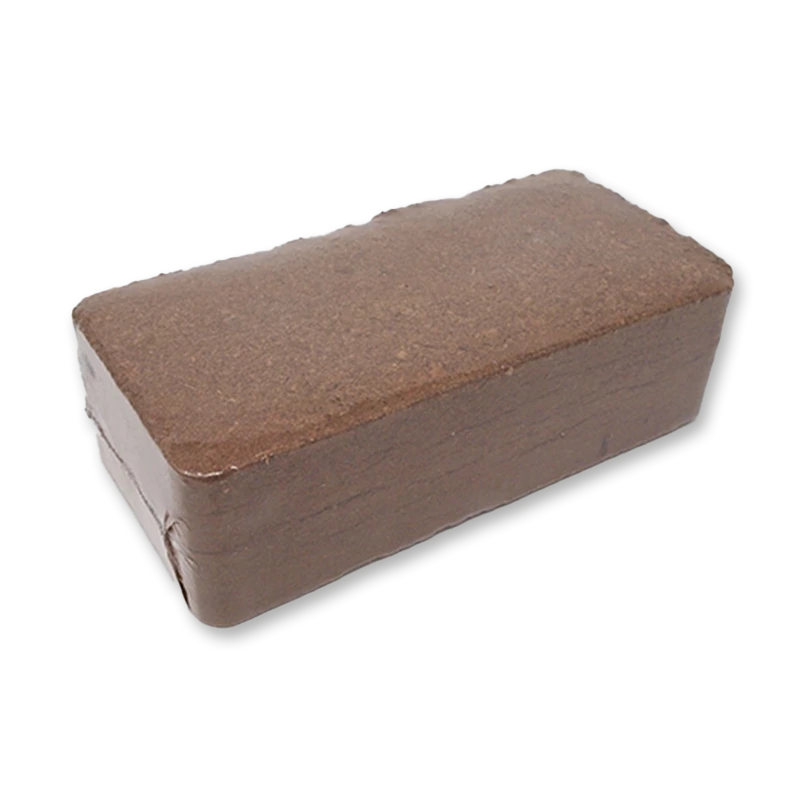
Coco Coir Growing Substrate
A compressed block of coconut-fibre coir. Add boiling water and it breaks down into a clean, water-holding bulk substrate for fruiting mushrooms.
Shop Coco Coir Growing Substrate →
Cow Manure
Aged, screened cow manure compost for manure-loving mushrooms. Crumbly and low in odour, it blends with coir or straw and rehydrates to roughly 3 litres from a 1 kg pouch.
Shop Cow Manure →

Gypsum (Calcium Sulfate)
Powdered calcium sulfate that keeps grain spawn loose and free running, and adds calcium and sulphur without moving the pH.
Shop Gypsum (Calcium Sulfate) →
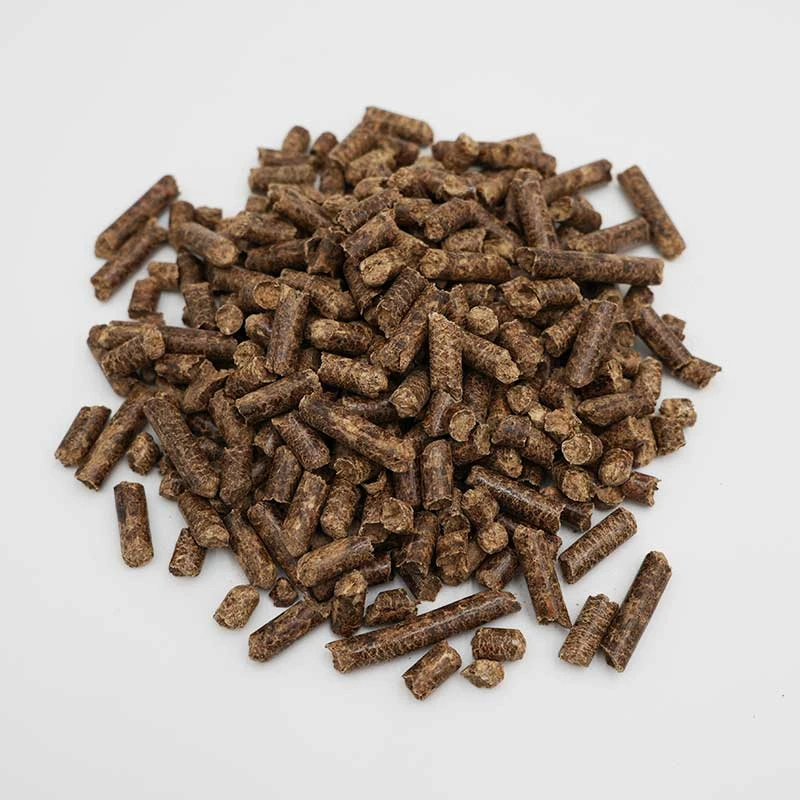
Hardwood Pellets
Compressed pure hardwood pellets that swell into wet sawdust when you add hot water. The standard base for fruiting blocks, used plain for oysters or blended with soy hull pellets for richer mixes.
Shop Hardwood Pellets →
Horse Manure
Aged, screened horse manure for growing dung-loving and compost-loving mushrooms. You hydrate it, pasteurise it, then spawn it. A base ingredient, not a ready-to-fruit kit.
Shop Horse Manure →
Hydrated lime
Hydrated Lime (Calcium Hydroxide)
Calcium hydroxide powder for cold water lime pasteurising straw and other bulk substrates. Stirred into the soak water it raises the pH high enough to knock back competing moulds and bacteria, with no heat needed.
Shop Hydrated Lime (Calcium Hydroxide) →
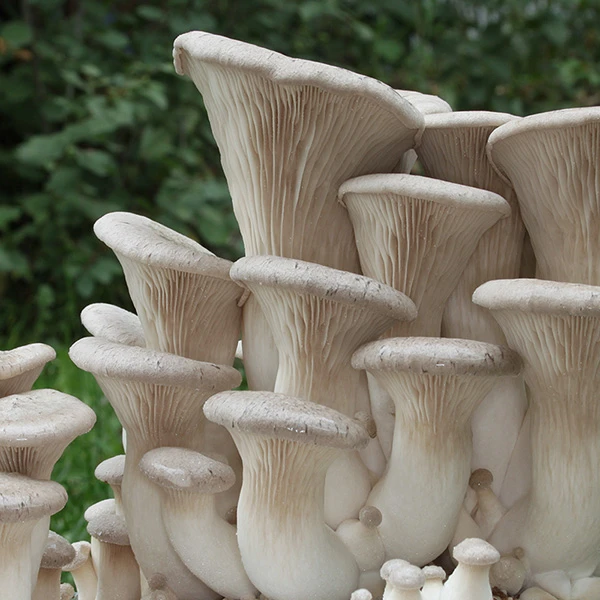
King Oyster SpawnJar™
A jar of sterile rye grain fully run through with live King Oyster mycelium, ready to mix into your own bulk substrate. The colonised middle step, done for you.
Shop King Oyster SpawnJar™ →
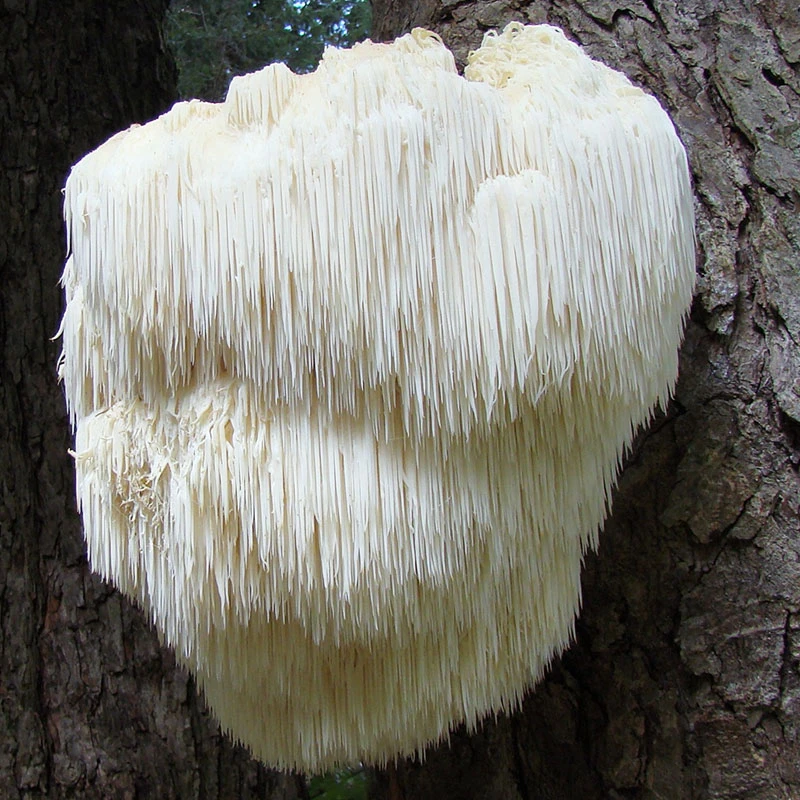
Lion's Mane SpawnJar™
A jar of live lion's mane mycelium grown through sterilised grain, ready to mix into bulk substrate so you can fruit your own Hericium erinaceus at home.
Shop Lion's Mane SpawnJar™ →
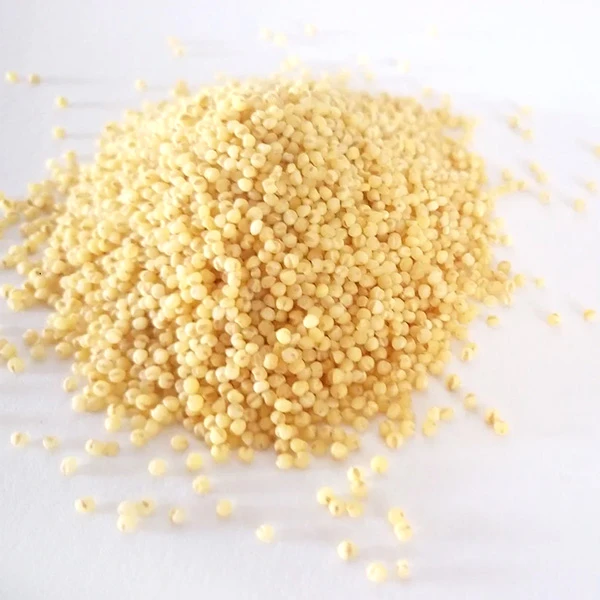
Millet Grain
Small, hard millet kernels for making grain spawn. The fine size packs many more growing points into each jar, so colonised spawn breaks up well and spreads fast through bulk substrate.
Shop Millet Grain →
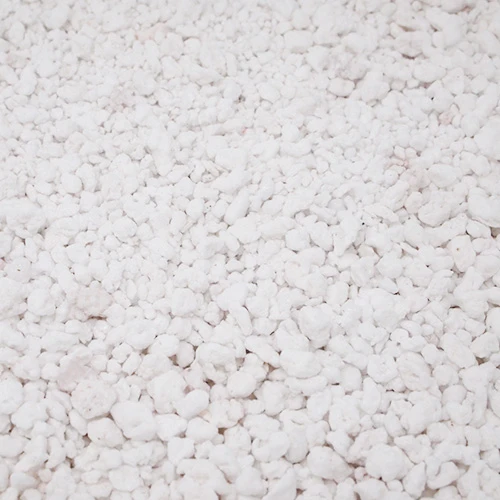
Perlite
Expanded volcanic glass. Used wet as a humidity buffer in fruiting chambers, and dry as an airy amendment in substrate and casing mixes.
Shop Perlite →
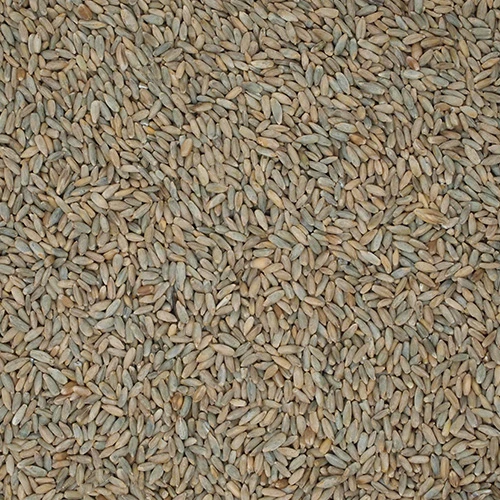
Rye Grain
Cleaned whole rye grain for making mushroom spawn. It holds water well, carries the nutrients mycelium needs, and the grains stay separate after sterilising so you can shake the jar to spread growth.
Shop Rye Grain →
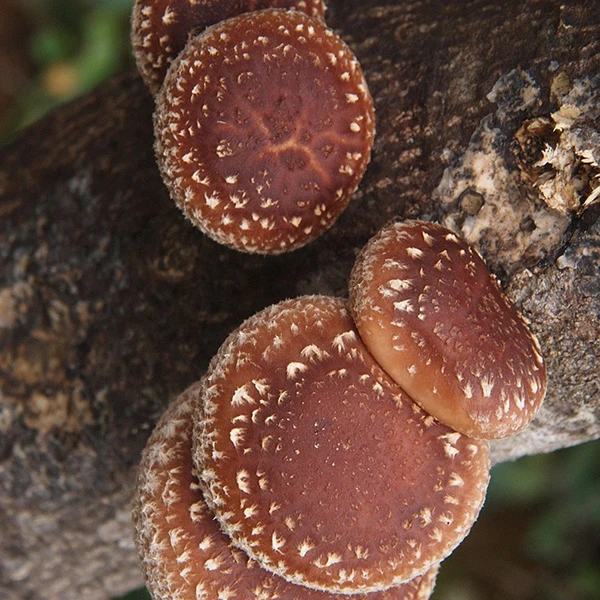
Shiitake SpawnJar™
A jar of grain fully run through with living shiitake mycelium, ready to mix into hardwood sawdust and grow on. This is the spawn step, not a finished kit.
Shop Shiitake SpawnJar™ →
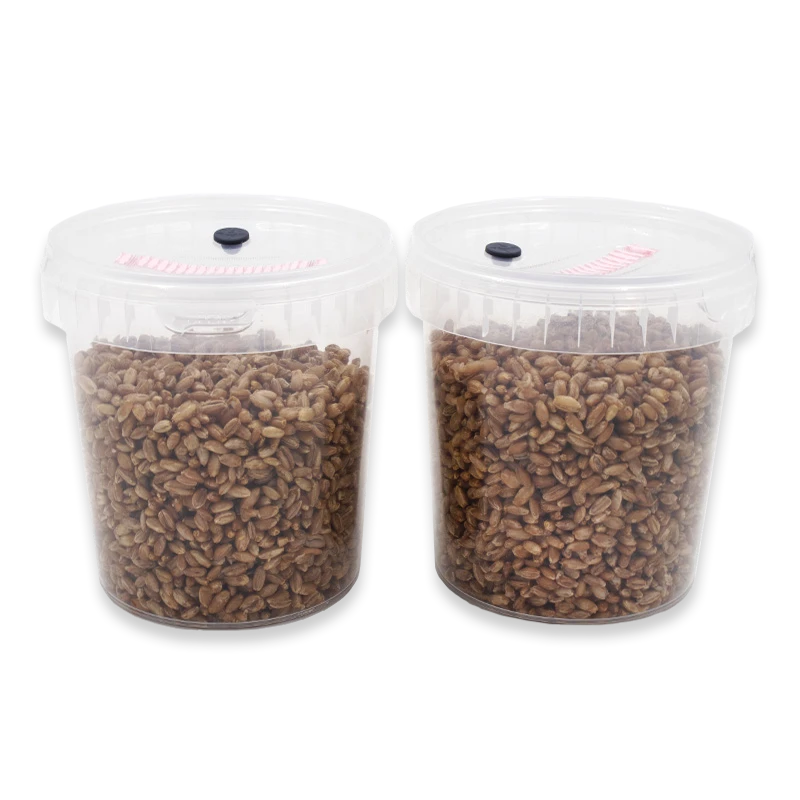
SpawnTubs™
Sterile organic rye grain spawn, ready for you to inoculate. Inject your own gourmet culture, let it colonise, then expand it into your own bulk substrate. Sold singly or as a set of three.
Shop SpawnTubs™ →
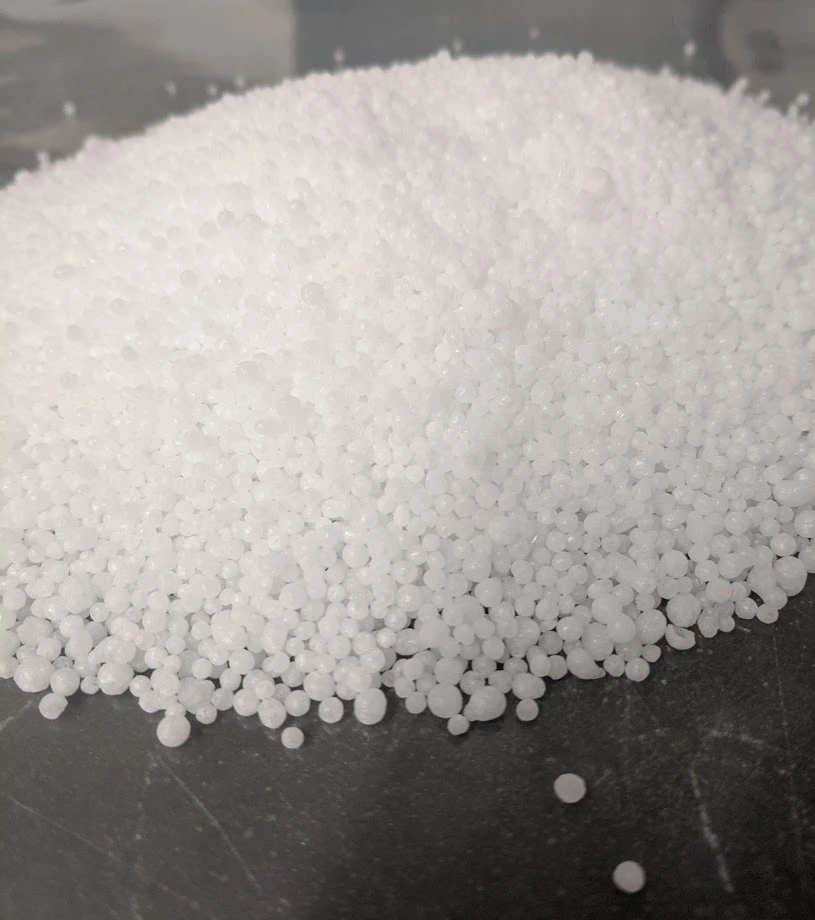
Urea granules
Urea Granules (1000g)
A concentrated dry nitrogen supplement for Phase I mushroom compost. Mixed in at the start of composting to raise nitrogen and feed the microbes that heat and condition the substrate.
Shop Urea Granules (1000g) →
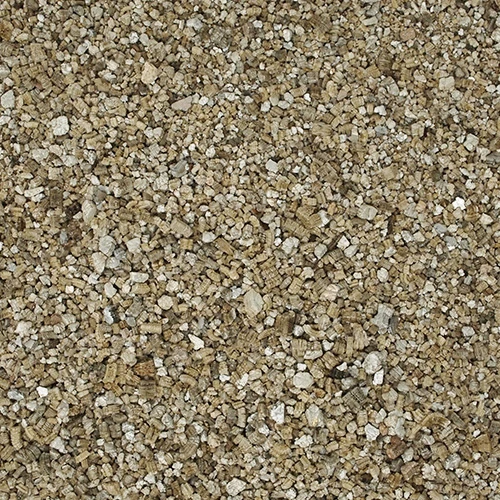
Vermiculite
Expanded mineral flake that soaks up water and lets it go slowly. The standard moisture buffer for PF Tek cakes, bulk coir mixes and casing layers.
Shop Vermiculite →
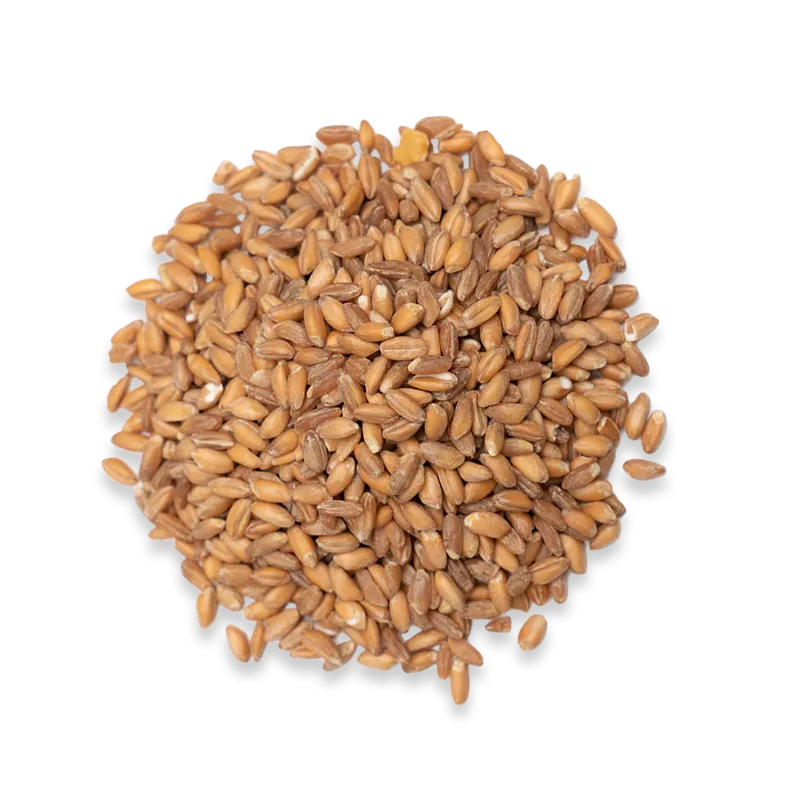
Whole Wheat Grain
Clean whole wheat grain for making mushroom grain spawn. Medium kernels hydrate evenly and shake apart well, so colonised grain spreads through the jar instead of clumping.
Shop Whole Wheat Grain →
No products match that search. Try a different name, or switch off the in-stock filter.
The rest of the setup
Good to know
Spawn vs substrate
The two words get used loosely, so here is the plain version. Spawn is grain that mycelium has already grown through, a dense living network you use to inoculate a larger volume. Substrate is that larger volume, the bulk food the mycelium spreads into before it fruits. You make spawn from sterilised grain, then mix the spawn into substrate at a small ratio. If you want to skip the sterile grain step entirely, our gourmet SpawnJars arrive already colonised with King Oyster, Lion's Mane or Shiitake, ready to break up and run into bulk.
Choosing your substrate
Match the material to the species. Wood-loving mushrooms (Shiitake, the oysters, Lion's Mane) want a hardwood base, which is what our hardwood pellets give you once hydrated. Coco coir is a clean, neutral, general-purpose bulk that holds water well and is easy to work with. The manures (cow, horse, chicken pellets) are richer substrates favoured by dung-loving species. Vermiculite and perlite are not foods, they are structure: they hold moisture and air pockets so the mix does not pack down solid.
Grains and amendments
The plain grains, rye, millet, whole wheat and brown rice flour, are raw materials for making your own spawn once sterilised and hydrated, not finished products. The amendments tune the mix rather than feed it. Gypsum (calcium sulphate) adds calcium and stops grains clumping. Agricultural lime (calcium carbonate) and hydrated lime (calcium hydroxide) raise pH, with hydrated lime the stronger of the two. Calcium nitrate and urea granules supply nitrogen and are used sparingly. If you are new to this, start with coir, hardwood and a little gypsum before reaching for the rest.