
Home / Mushroom Cultivation / Spawn & Substrates / Chicken Manure Pellets
Spawn & Substrates
Chicken Manure Pellets
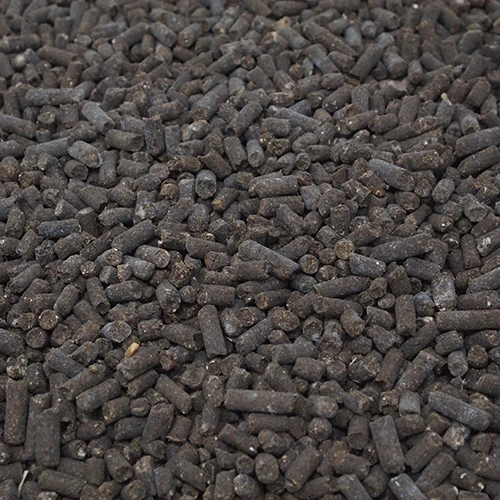
Heat treated, pelletised poultry manure. A slow release nitrogen and mineral feed for the compost you build for button, portobello and other compost loving mushrooms.
Out of stock
Out of stock
Want to know the moment it returns?
Sold for compost making and garden use. Not a sterile lab supplement.
Dried and sterilised during manufacture, so cleaner and lower odour than raw manure.
Around 4 percent nitrogen plus phosphorus and potassium, released gradually as the pellets break down.
A Phase I compost ingredient for Agaricus type mushrooms, not a direct substrate additive.
The short version
Chicken manure pellets are dried, heat treated poultry manure pressed into hard pellets. A typical dried product runs around 4 percent nitrogen with smaller amounts of phosphorus and potassium and some trace minerals, and releases it slowly as the pellets break down.
In mushroom growing they are a nitrogen source for the compost you build for compost loving species such as the button and portobello mushroom. They are mixed evenly through wetted straw at the start of composting. They are not added to a sterile grain or sawdust substrate.
What it is
What chicken manure pellets are
This is poultry manure that has been dried and heat treated, then pressed into firm pellets. The drying and heat treatment sterilise it, so it is cleaner to handle than raw manure and has much less smell.
It is a slow release feed. A typical dried and pelleted product is around 4 percent nitrogen, 2 percent phosphorus and 1 percent potassium, with some trace minerals, though the exact figures vary between batches and brands. The nitrogen becomes available gradually as compost or soil organisms break the pellets down, rather than all at once. Most products are neutral to moderately alkaline, around pH 6.5 to 8, which is normal for poultry manure.
| Form | Dried, heat treated pellets |
|---|---|
| Nitrogen | Around 4 percent (varies by batch) |
| Also supplies | Phosphorus, potassium and trace minerals |
| Release | Slow, as the pellets break down |
| Reaction | Neutral to moderately alkaline (about pH 6.5 to 8) |
How to use it
Using it in mushroom compost
Compost loving mushrooms such as the button and portobello are grown on composted straw, not on a sterile substrate. Chicken manure is one of the main nitrogen sources that drives that compost. You add it at the start, during the hot composting stage, so the heap can work the nitrogen in and then drive off the ammonia it releases.
Wet the straw
Soak wheat or other cereal straw until it is fully and evenly damp. Damp straw is what lets the heap heat and the manure break down.
Mix the pellets through
Spread the pellets through the straw as you build the heap so every part of the straw meets some manure. Even mixing matters. Lumps and dry pockets give uneven compost. Many recipes also add gypsum at this stage, which keeps the wet mix open and stops it turning greasy.
Let it compost and heat
The heap heats on its own and is turned over several days. You are working towards a finished compost with a nitrogen content of roughly 2.0 to 2.5 percent on a dry weight basis and a moisture content around 68 to 72 percent.
Pasteurise and condition before use
Before spawning, the compost is pasteurised with heat, then held warm for several days to condition it until the ammonia smell has gone. Ammonia above about 0.05 to 0.10 percent inhibits and then kills spawn, so the heap must be conditioned until it has gone. If you can still smell ammonia, the compost is not ready.
Add the manure at the composting stage, never to finished or sterile substrate. Free ammonia from undigested manure stops spawn from running.
Garden use
Using it in the garden
The same pellets work as a general garden feed. As a guide, the RHS suggests around 100 to 150 grams per square metre as an average dressing, less on lawns or hungry-feeling soils that scorch easily, up to about 200 grams per square metre for vegetables split into two doses about four weeks apart. Always follow the rate on the pack. Because the product is alkaline, do not use it on lime hating plants such as blueberries, rhododendrons, camellias and heathers.
Storage and handling
Storing and handling
Keep the pellets in their original bag, closed, in a dry and frost free place away from children, pets and food. Damp makes them swell, soften and start to break down, so keep moisture out. Heat treatment makes them low risk, but they are still a manure product, so wear gloves, avoid breathing the dust, do not eat or smoke while handling them, and wash your hands afterwards.
What it is not for
What it will not do
This is a compost ingredient, not a sterile substrate supplement. Do not add it to sterilised grain, sawdust or other ready to inoculate substrate. The nitrogen and the ammonia it gives off feed contaminants and harm your culture rather than your mushrooms.
It is also not suited to wood loving species such as oyster or shiitake, which are not grown on composted manure. As a garden feed it works well, but for that use follow the garden rate on the pack rather than the compost method above.
Common questions
Frequently asked
No. They go into the composting stage for compost loving mushrooms. Adding manure to a sterile substrate feeds contamination, and the ammonia harms your culture.
Not really. Those are wood loving species grown on straw or sawdust, not composted manure. These pellets are for Agaricus type mushrooms.
It depends on your straw and the nitrogen of your manure. You mix to reach roughly 2.0 to 2.5 percent nitrogen in the finished compost. The blended ingredients start at a carbon to nitrogen ratio of about 30 to 1, which falls as the heap composts. Follow a tested recipe and weigh your materials rather than guessing.
The pellets are dried and heat treated, so they are cleaner, lower in smell and easier to store and measure than raw manure.
Yes. Pasteurise, then condition by holding the compost warm until the ammonia smell has gone before spawning, or the spawn will not run.
Sealed in its original bag, dry and frost free, away from children, pets and food. Damp makes the pellets swell and break down.
Ask the community
Questions and answers
No questions yet. Yours could be the first.
Sold as a horticultural and composting product. Cultures and spores are supplied for microscopy and for the legal cultivation of gourmet and edible mushrooms only.