
Home / Mushroom Cultivation / Spawn & Substrates / Coco Coir Growing Substrate
Spawn & Substrates
Coco Coir Growing Substrate
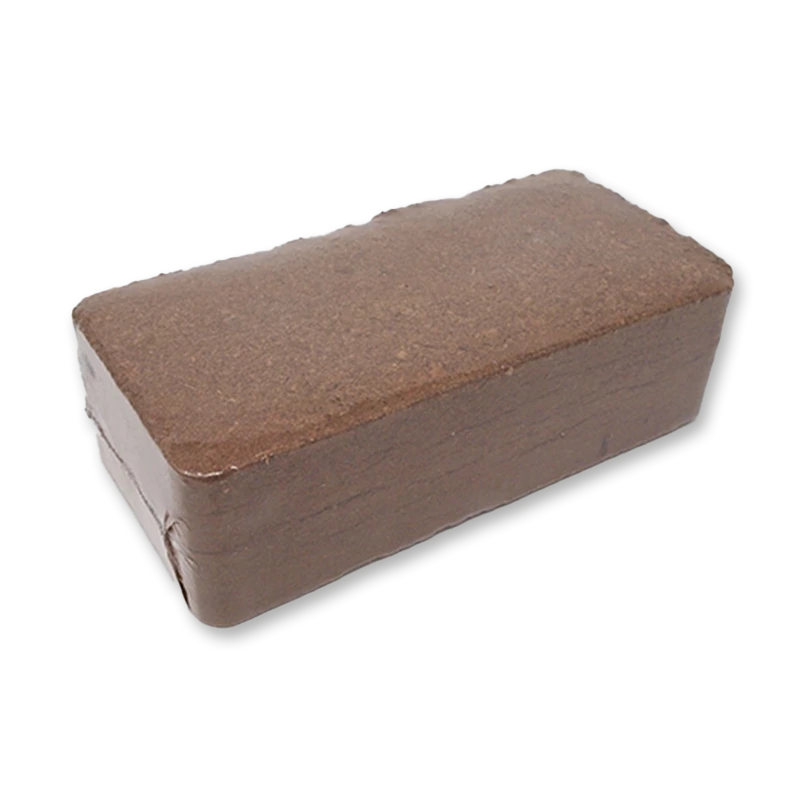
A compressed block of coconut-fibre coir. Add boiling water and it breaks down into a clean, water-holding bulk substrate for fruiting mushrooms.
★★★★★ 5.0 · 2 ratingsOut of stock
Out of stock
Want to know the moment it returns?
UK-posted. For legal gourmet cultivation and lab use.
Coconut by-product, not mined peat
Hot water is enough, no pressure cooker needed
A small dry block becomes several litres of substrate
The short version
Coco coir is the spongy, fibrous material left over when coconut husks are processed. It is sold as a dry compressed block because it is light and stores small. Pour hot water over it and it swells into a loose, dark, moisture-holding substrate.
In mushroom growing it is used as a bulk fruiting substrate, usually mixed with vermiculite and a little gypsum (the mix growers call CVG). It holds water well, breathes nicely, and its clean, low-nutrient nature makes it harder for many contaminants to take hold. It is a low-nutrient substrate, so it suits species that do not need a rich feed.
What it is
What coco coir is
Coco coir is a by-product of the coconut industry. When coconut husks are processed for their long fibres, the shorter fibres and spongy pith are left behind. That material is washed, dried and pressed into a block. It is sometimes called coco peat, and it is a peat-free alternative to mined peat moss.
It comes to you as a hard, dry brick. On its own it carries little nutrition, which is part of why it is useful: a clean, low-feed base is harder for many moulds and bacteria to take over than a rich one. Coir also holds a lot of water for its weight and stays open and airy when hydrated, which mushroom mycelium likes.
How to use it
Making a bulk substrate (CVG)
The common way to use coir for mushrooms is to combine it with vermiculite and a pinch of gypsum, then pasteurise it with hot water. Quantities vary between growers; a widely used starting point is one coir block to roughly its own volume in vermiculite, plus a small amount of gypsum. Work to the feel of the substrate rather than to exact grams.
Put it in a clean bucket
Drop the dry block into a clean bucket with a lid, along with your vermiculite and gypsum. Use a bucket large enough to leave room for it to swell, as the block expands several times its packed size.
Add boiling water
Pour over boiling water until the block is soaked through. The heat both hydrates the coir and pasteurises the mix. Growers typically aim for substrate temperatures around 65 to 75C during this step.
Seal and leave
Put the lid on and leave it to sit and cool. A couple of hours is a common minimum; many growers leave it several hours or overnight, sometimes wrapped to hold the heat in.
Break it up and check the feel
Once cool, stir until it is even and crumbly. Test for field capacity: squeeze a handful and only a few drops of water should come out. If it streams water it is too wet, so let it drain. If it crumbles dry, add a little more water.
Mix with spawn and fruit
Combine the cooled substrate with your colonised grain spawn in a clean tub or bag, let it grow through, then move to fruiting conditions. Coir suits oyster mushrooms and other species that do not need a high-nutrient base.
Pasteurise, do not sterilise. Hot water held at the right temperature is enough for coir. A full pressure-cooker sterilise is for richer, grain-based or supplemented substrates, not plain coir.
Storage and what it is not
Storing it, and where it fits
Keep the dry block somewhere cool and dry until you need it. Compressed and dry, it stores for a long time and takes up little space. Once you have hydrated it, treat it as perishable: use it promptly, because damp organic material left around will grow whatever lands on it.
This is a bulk fruiting substrate, not a growing medium for the early lab stages. It is not a replacement for sterilised grain spawn, and it is not nutritious enough for the gourmet species that prefer hardwood sawdust or supplemented blocks. Think of it as the clean, water-holding bed you fruit on, after the spawn has done its work.
Common questions
Frequently asked
A small dry coir block swells several times its packed size once hydrated, breaking down into several litres of loose substrate. The exact figure depends on the block weight and how much water you add.
No. Coir is pasteurised with hot water, not sterilised in a pressure cooker. Sterilising is for grain and rich supplemented substrates.
Most growers use the CVG mix: coir, vermiculite and a little gypsum. The vermiculite holds extra water and keeps it airy; the gypsum keeps it from clumping and adds a little calcium.
Species that do not need a rich feed, such as oyster mushrooms. Many gourmet types do better on hardwood sawdust, which carries more nutrition.
Keep dry blocks for a long time in a cool dry place. Once hydrated, use the substrate promptly, as damp organic material spoils and invites contamination.
What customers say
Reviews
Great product. Good value!
Ask the community
Questions and answers
No questions yet. Yours could be the first.
Sold for legal gourmet mushroom cultivation and lab use. Spores and cultures are supplied for microscopy and research only.