
Home / Mushroom Cultivation / Additives & Chemicals / Dextrose (Glucose)
Additives & Chemicals
Dextrose (Glucose)
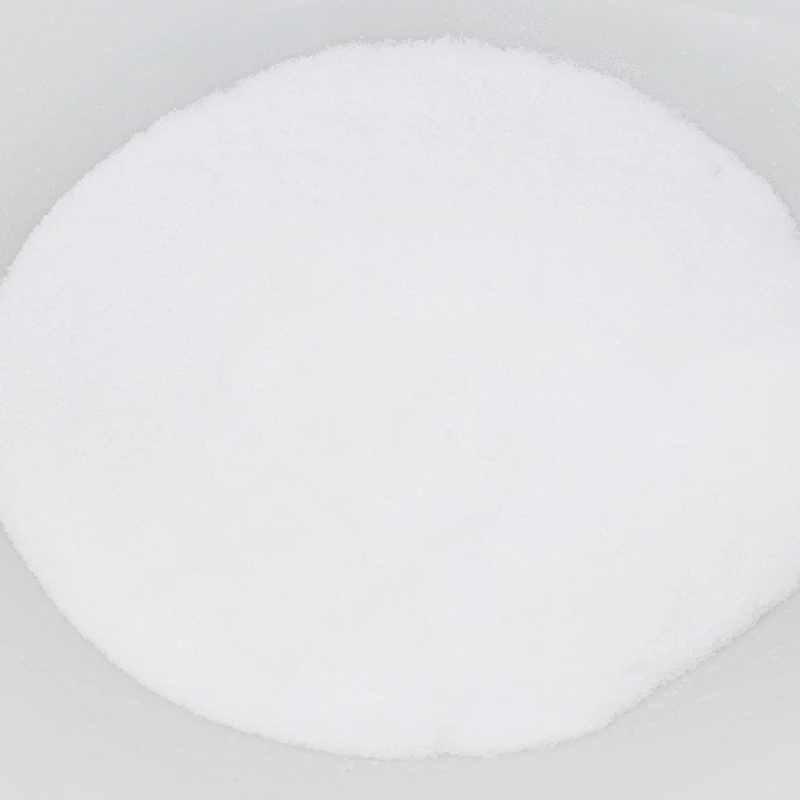
Food-grade dextrose powder, the simple sugar mushroom mycelium feeds on. You add it to liquid culture and nutrient agar to give cultures a clean, fast carbon source.
Out of stock
Out of stock
Want to know the moment it returns?
100 g resealable pouch. Keep it sealed and dry.
Pure D-glucose, the same sugar fungi use first
Cold-water soluble, so contamination shows up early
Sealed and dry, it keeps for a long time
The short version
Dextrose is D-glucose, a single simple sugar that mushroom mycelium can take up and use straight away. It is the carbon source in most liquid culture and agar recipes.
You dissolve a small amount in water, sterilise it, then let the mycelium feed. A rough starting point is around 40 g per litre for liquid culture and about 20 g per litre in nutrient agar.
What it is
A clean, fast sugar for cultures
Dextrose is another name for D-glucose, the simplest sugar a fungus will use. Because mycelium can take it up without breaking it down first, it gives fast and predictable growth in the lab.
It is a white, odourless powder with a sweet taste. It dissolves fully in cold water and leaves a clear solution, which is useful because cloudiness or odd colours then stand out as a sign of bacterial or yeast contamination. Our pouch is food grade.
| Name | Dextrose (D-glucose) |
|---|---|
| Form | White crystalline powder |
| Grade | Food grade |
| Solubility | Fully soluble in cold water |
| Pack | 100 g resealable pouch |
How to use it
In liquid culture and agar
Dextrose is the carbon source. You weigh it, dissolve it in water, sterilise the medium in a pressure cooker, let it cool, then inoculate with your culture. These are common starting amounts, not fixed rules. Many growers run weaker mixes and adjust to suit their work.
Liquid culture
Dissolve roughly 40 g of dextrose per litre of water, around a 4% solution. Some growers use far less, in the range of 5 to 10 g per litre, to leave less spare sugar for bacteria. Both work.
Nutrient agar
In a potato dextrose agar style recipe, use about 20 g of dextrose per litre, roughly 2%, alongside your agar and potato infusion.
Sterilise
Pressure cook the mixed medium at 15 PSI for around 20 minutes, then let it cool fully before you inoculate. Cooling a liquid culture jar for at least 12 hours is a sensible habit.
Dextrose is one ingredient in a recipe, not a standalone medium. On its own it will not gel and is not a substitute for agar or malt extract.
Storage and safety
Keep it sealed and dry
Dextrose draws in moisture from the air, so reseal the pouch after each use and store it in a cool, dry place out of direct sunlight. Kept sealed and dry it stays good for a long time, commonly several years.
It is a food sugar and is not a hazardous chemical. There is nothing here to dilute or neutralise. Normal clean handling and a clean scoop are enough.
What it is not for
Not a fruiting substrate additive
This is lab sugar for cultures, not a bulk substrate ingredient. Adding loose sugar to grain or bulk substrate usually just feeds contaminants rather than your mycelium.
We supply it for microscopy work and for the legal cultivation of gourmet and culinary mushrooms.
Common questions
Frequently asked
Yes. Dextrose is the common name for D-glucose, the simple sugar mycelium uses first.
A common starting point is around 40 g per litre. Some growers prefer 5 to 10 g per litre to leave less spare sugar. Both grow viable mycelium.
About 20 g per litre in a potato dextrose agar style recipe, roughly 2%.
Yes. Sterilise the made-up medium in a pressure cooker, commonly 15 PSI for about 20 minutes, then cool before inoculating.
No. It is for cultures. Loose sugar in bulk substrate tends to feed contamination, not your mycelium.
Reseal the pouch and keep it cool and dry. It is hygroscopic, so it clumps if left open to damp air.
Ask the community
Questions and answers
No questions yet. Yours could be the first.
Supplied for microscopy and the legal cultivation of gourmet and culinary mushrooms.