


Home / Magic Mushroom Spores / Psilocybe Cubensis / Penis Envy
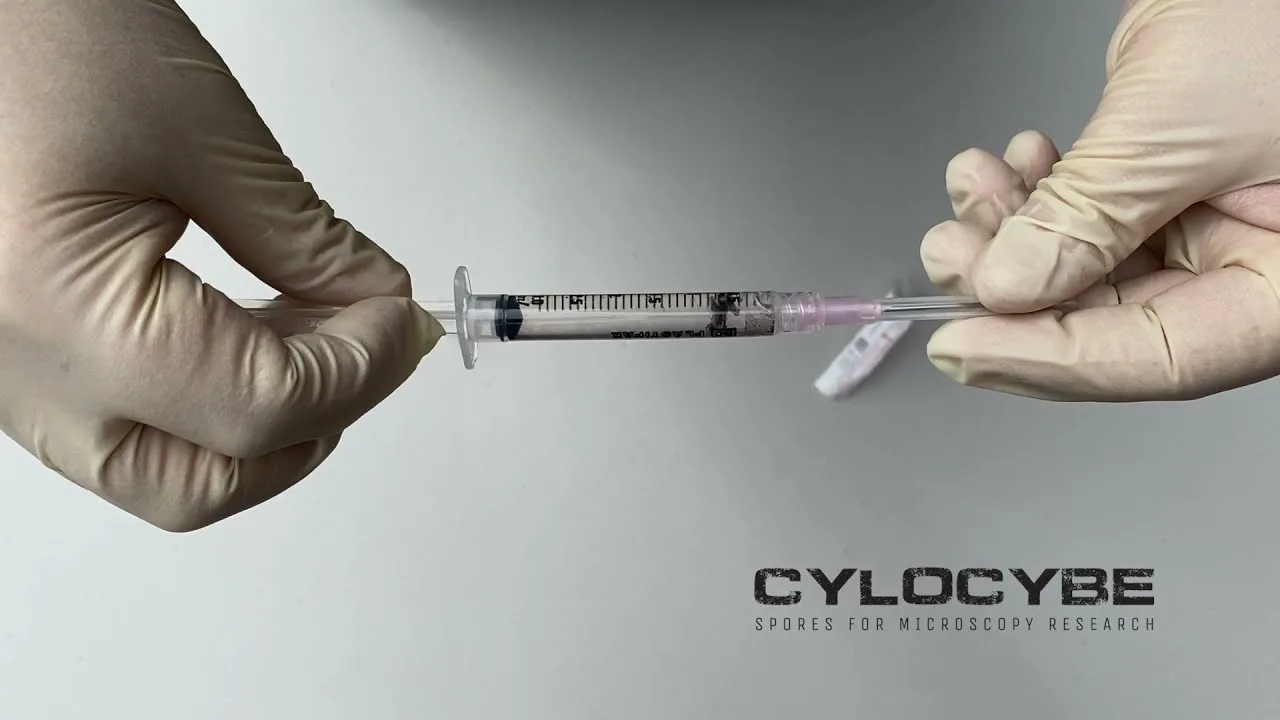
Playing it here streams from YouTube, they then see you're on our site. Click "Watch on YouTube" if you don't want that.
Not demo'd in the video: The plastic break-off component doubles as a screwdriver so you can remove the red cap without getting your grubby fingers anywhere near the exposed syringe opening!
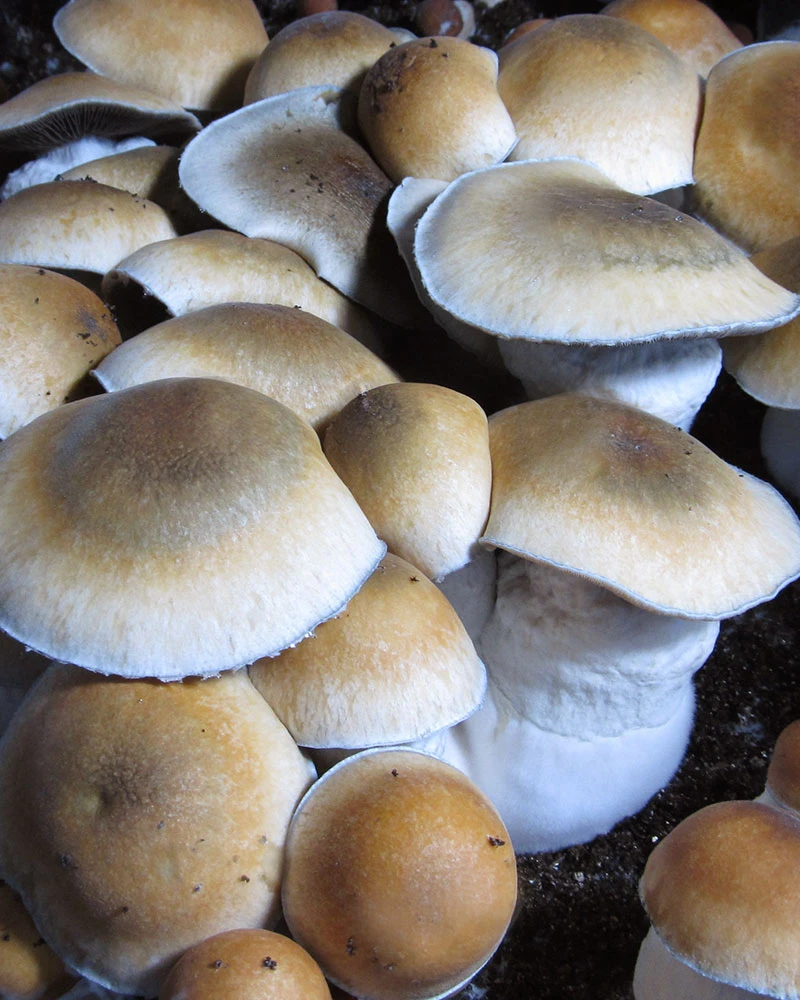
Penis Envy
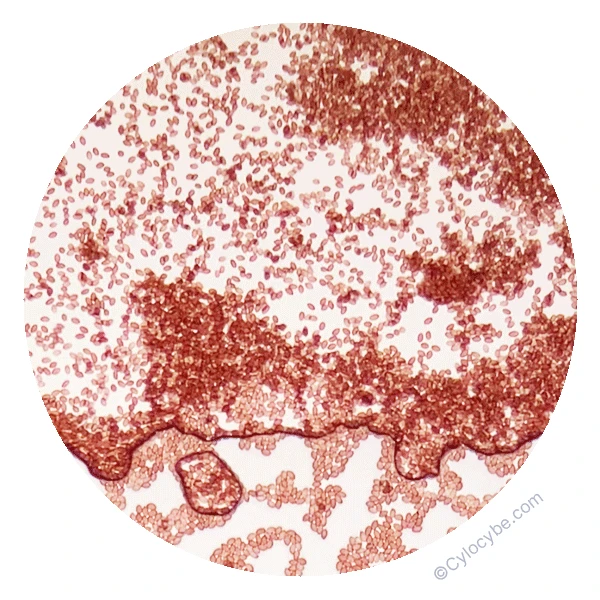
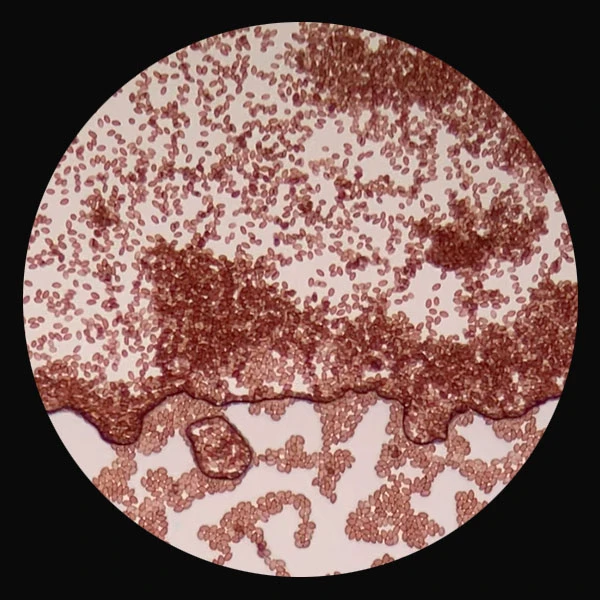
Psilocybe cubensis Penis Envy mushroom spores sold strictly for microscopy research. Awesome at 600X. No BS prices. Syringes, Vials, Swabs and Prints.
Choose your format
Same day dispatch or free spore syringe if we are late (UK-only pledge). Order and pay before 1pm Monday to Friday.
Some formats are out of stock
Want to know the moment it returns?
What you get
Spore syringe: 1 ml, 3 ml or 12 ml
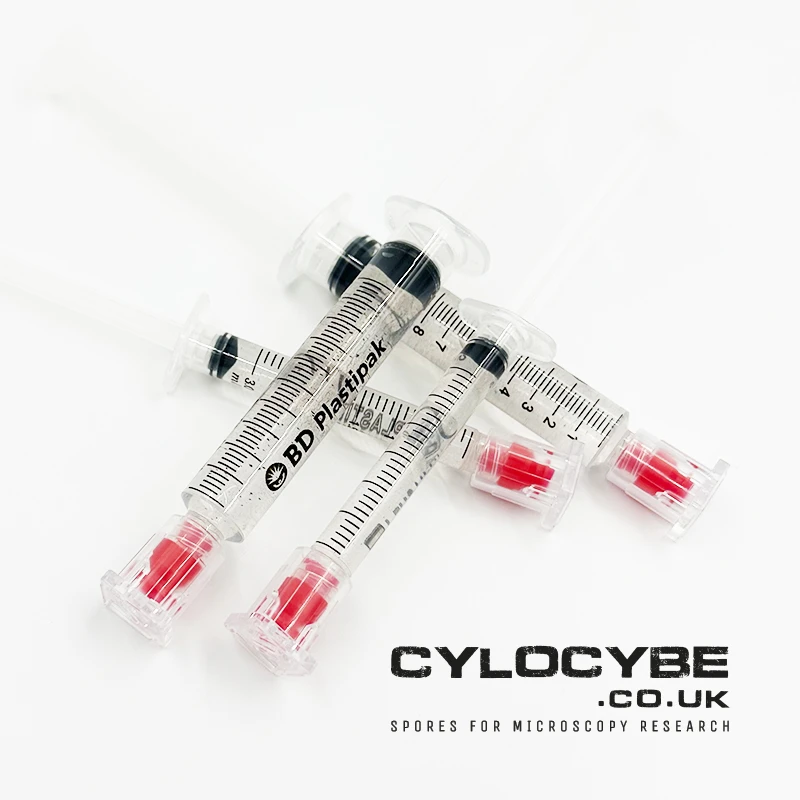
- Spores suspended in sterile distilled water in a BD Luer-Lok syringe
- Sealed with a sterile, tamper-evident luer-locking cap
- One sterile wrapped 18G (1.2 mm) × 40 mm luer-locking needle
- One sterile 70% isopropyl alcohol / 2% chlorhexidine wipe, for cleaning your slides before dropping spores on to
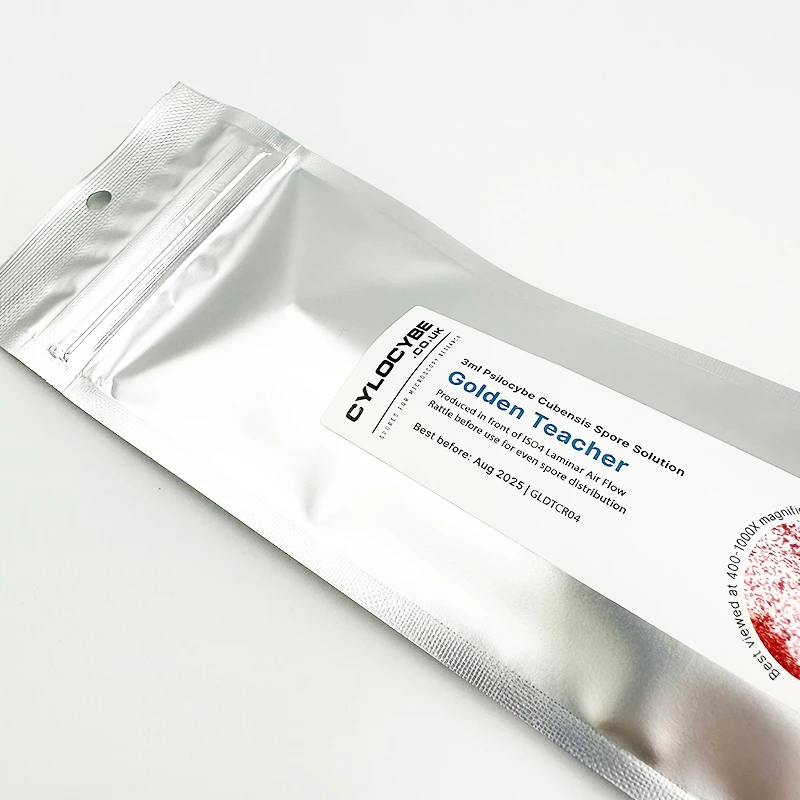
- Sealed in a light-blocking mylar foil bag, labelled on the outside of the bag
Spore swab
- One sterile swab, swiped across a spore print
- One sterile 70% isopropyl alcohol / 2% chlorhexidine wipe, for cleaning your slides before dropping spores on to
- Sealed in an LDPE tube
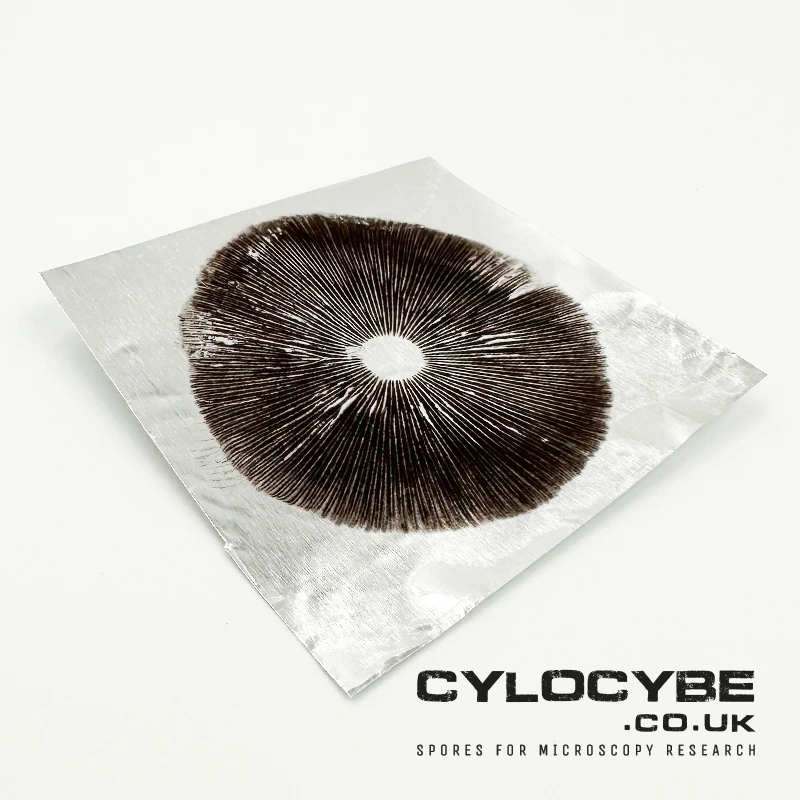
Spore print
- Spores dropped onto sterile foil. Prints vary: some big, some small, some light, some dense.
- One sterile 70% isopropyl alcohol / 2% chlorhexidine wipe, for cleaning your slides before dropping spores on to
- Sealed in a mylar foil bag. Some are fully light-blocking, some have a window so you can see the print.
12 ml spore vial
- Spores suspended in sterile distilled water in a 12 ml borosilicate (Pyrex) glass vial with self-healing rubber injection port
- One sterile wrapped 3 ml BD Luer-Lok syringe
- One sterile wrapped 21G (0.8 mm) × 40 mm luer-locking needle
- One sterile 70% isopropyl alcohol / 2% chlorhexidine wipe, for cleaning your slides before dropping spores on to
- Sealed in a light-blocking mylar foil bag, labelled on the outside of the bag
Coring can happen after around 8 punctures with a 21G needle, so do not pierce in the exact same spot repeatedly. If using a thicker 18G needle (not included), it will start to core after 3 or 4 punctures.
How clean
All of our spore syringes, vials and swabs are produced in lab conditions with spore prints cultivated legally in professional labs. There is no such thing as a sterile spore syringe, we're not promising miracles here - what we do promise is the cleanest we can achieve in our lab from print suppliers we trust the quality of - this is our bread and butter and what we pride ourselves on. Our homepage shows our own setup in greater detail as well as our YouTube channel.
Useful
- The 3 ml and 12 ml syringes are polypropylene. Pressure-cooker safe (if you want to re-use).
- The 1 ml syringes are polycarbonate. Pressure-cooker safe (if you want to re-use).
From our flowhood
How spore syringes are produced and prepared.
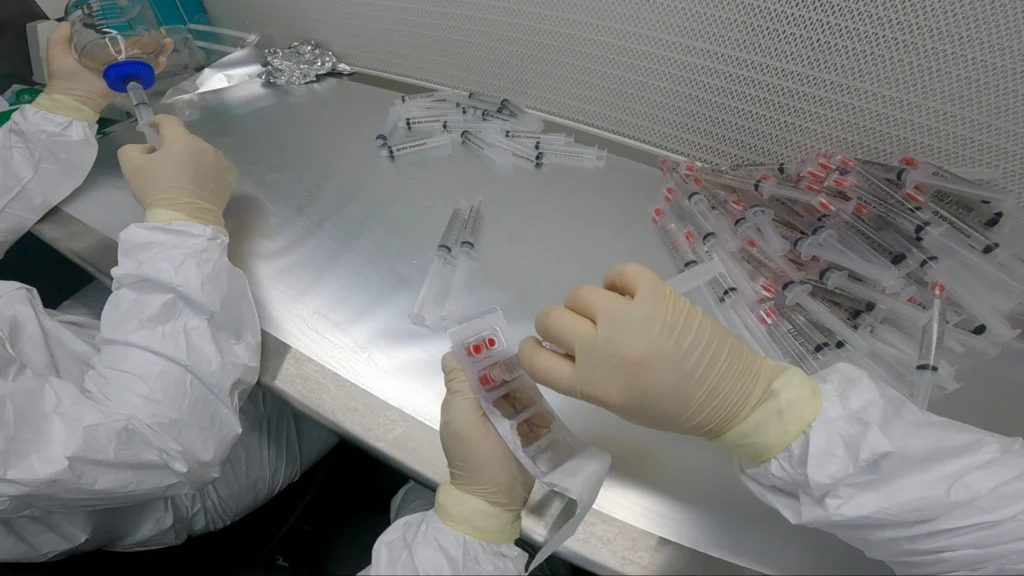
After our syringes are filled with spore solution, they are immediately passed over to a second expert responsible for screwing on the sterile syringe caps, all whilst sitting in front of our ISO4 HFLT1800 laminar flow hood (10 times finer filtration than the industry standard ISO5).
The capped spore syringes are then quickly sealed in ziplock bags.
Once we finish filling and capping the spore syringes, we clean the stainless steel workspace. Then, one by one, we take each spore syringe and pack it into a laminar-foil, light-blocking bag. We never label within the lab because dirty, sticky labels don't mix well with latex-gloved hands and sitting a printer in front of a laminar flowhood would call for some life choice evaluation!
This all means the syringe itself will never be labelled, keeping it super clean. When the time comes to remove it from the foil bag, you won't cross-contaminate your workspace by handling a syringe with a dirty trich-ridden exterior.
Our labelling is performed on the laminar-foil bag after we exit the the laminar flow hood and lab and we strictly only use labels made from polypropylene so YOU can safely wipe the whole thing down with isopropyl alcohol before taking it into your SAB for that extra caution.
Our entire production process for spore syringes is carefully thought out and designed for the customer's benefit, not our own (and yet, our prices are still amongst the lowest in the UK).
Preparing a Cylocybe syringe for your microscopy slides.
Our syringes are fitted with professional tamper-evident luer-locking syringe caps which you may not have seen before. We use these so you know no-one has tampered with them between our lab and your hands. Scroll up to the image gallery and you can watch a short clip of us preparing one so you know!
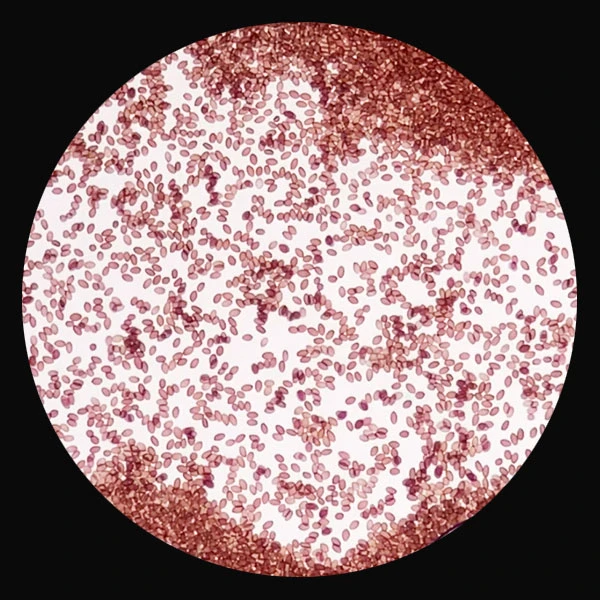
Disclaimer:Psilocybe-genera spores do not contain controlled substances, such as Psilocin or Psilocybin. This is why they are legal in the UK. Never introduce these kinds of spores into a grow kit, as the mushrooms they would produce are toxic and against the law. This item is sold for any other purpose than cultivation, such as microscopy or novelty collection.
Replacement cover, explained
EZ-Replacement
Covered on this product
- 3ml Spore Syringe
- 12ml Spore Syringe
- 1ml Spore Syringe
- 12ml Spore Vial
Not covered
- Spore Print
- Spore Swab
This product is covered if something goes wrong, so we can make sure you get another kit to try again with. The last thing we want is customers abandoning this hobby because of a mistake. So, if something goes wrong within 12 weeks of us dispatching it to you then follow the steps below to get a new kit on the way.
How a claim works
- Open the replacement portal. Sign in, or use the order code we sent you.
- Pick the order and the item. If more than one is affected, say how many.
- The replacement lands in your basket at £0.
- Check out and pay the postage. That is the only thing you pay.
No photos, no explanation, nobody to convince.
We built this shop to be human. When you need a replacement, take it.