


Home / Equipment / Self-Healing Injection Ports (20mm / 10 Pack)
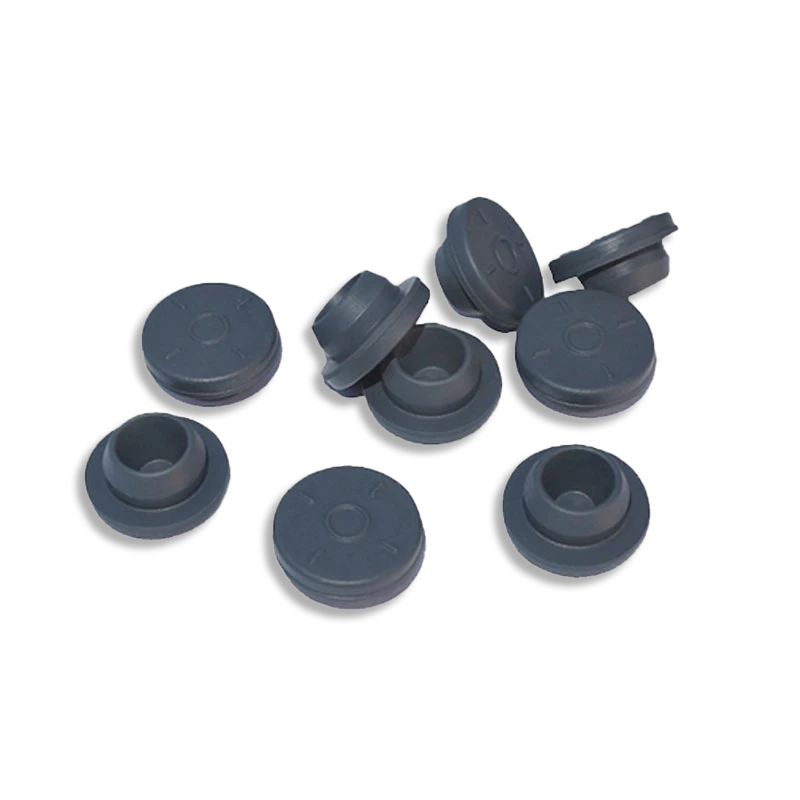
Self-Healing Injection Ports (20mm / 10 Pack)
10 x 20mm diameter butyl rubber injection ports.
We recommend drilling a 10mm hole in your lids which will provide a tight seal after squeezing the rubber injection ports into.
Please note: these aren't the same injection ports that are in our grow kit lids - these are bigger, sturdier and perfect for jar lids.
What customers say
13 reviews for Self-Healing Injection Ports (20mm / 10 Pack)
These reviews are verified CusRev reviews. You will likely see large gaps in the years, these were either due to being on an extended break from Cylocybe due to life events or that we had gaps where we kind of stopped paying the CusRev contract. We unfortunately lost all of our Trustpilot reviews. If you want to leave a review, feel free to. We never pester for them, but only a teeny tiny number of people write them and it would mean a lot to us and our potential customers if you did when you get sent a review invite in a few months. If you order more than one product here, please don’t review every one of them - we had a customer buy 40 syringes and leave top reviews for each - we appreciate them but we have to remove them because they look manufactured. And for the love of mushrooms, don’t buy 40 products and leave 40 bad reviews without getting in touch first :)
Only logged in customers who have purchased this product may leave a review.
Q & A
 Self-Healing Injection Ports (20mm / 10 Pack)
0-3 working day dispatch or a free gift if we are late (UK-only pledge). Order and pay before 1pm Monday to Friday.
If your parcel does not arrive
Contact us, not Royal Mail. Royal Mail only deal with the sender, which is us:
“If you're the recipient please contact the sender. They will contact us to make enquiries on your behalf.”
Royal Mail: what to do if your item doesn't arrive
When Royal Mail treat an item as missing
Royal Mail will not look at a claim until this much time has passed after the date your item was due. They also say early claims cannot be processed.
- Tracked 24 and Tracked 48: due date plus 7 working days
- Standard and Tracked to Europe: due date plus 20 working days
- Tracked outside Europe: due date plus 25 working days
- Standard outside Europe: due date plus 25 working days
What Royal Mail pay for a lost item
- International Standard and International Economy: the lower of market value or £20
- International Tracked: the lower of market value or £50
Royal Mail: international compensation
That is what Royal Mail pay us. What you get from us is covered by our replacements policy, which does not depend on Royal Mail paying out.
Stopped at customs
In the 9 years we have been running, we have only had a couple of issues with parcels being stopped at customs - if this is the fault of us (USA seized a parcel once because we put a Cadbury's chocolate bar into a parcel as a treat ) then of course we will sort it out and take the hit. But if it's not our fault, then we will not cover any replacement cost. Luckily, this situation has probably happened a few times in all of these years.
Full shipping and dispatch details, including every international price
John (verified owner) –
Paul R. (verified owner) –
Anonymous (verified owner) –
Rob Broster (verified owner) –
Great product.
Paul (verified owner) –
Great service. Nice freebies aswell. Recommended
james f. (verified owner) –
Like to support this business so bought these from here but perhaps a little pricey for the quantity.
O.N Oeric (verified owner) –
Works perfect, you get what you pay for.
Anonymous (verified owner) –
Sadie Murphy (verified owner) –
Alex (verified owner) –