
Home / Mushroom Cultivation / Spawn & Substrates / Hardwood Pellets
Spawn & Substrates
Hardwood Pellets
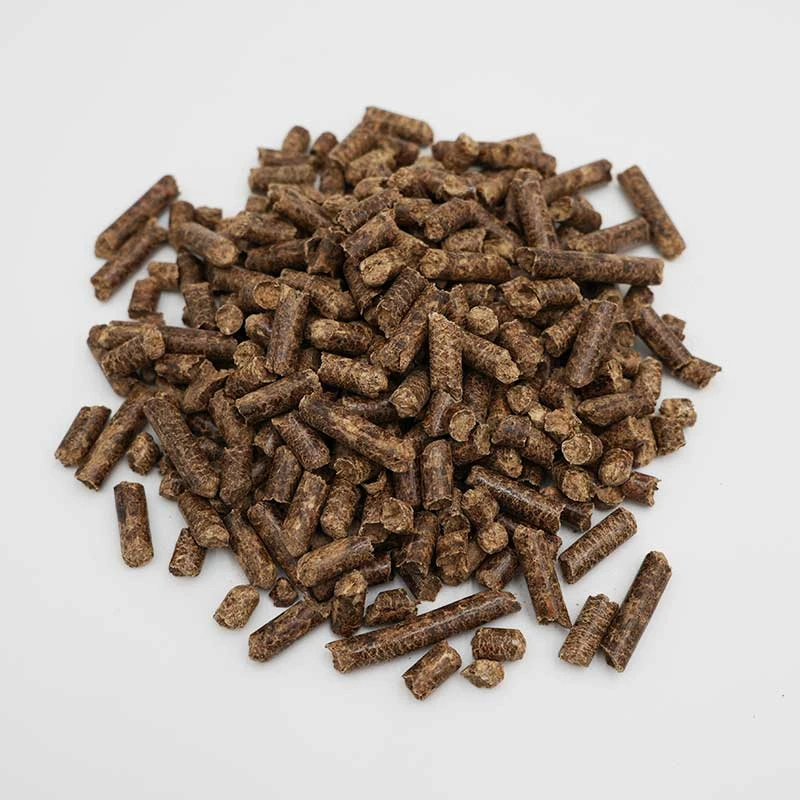
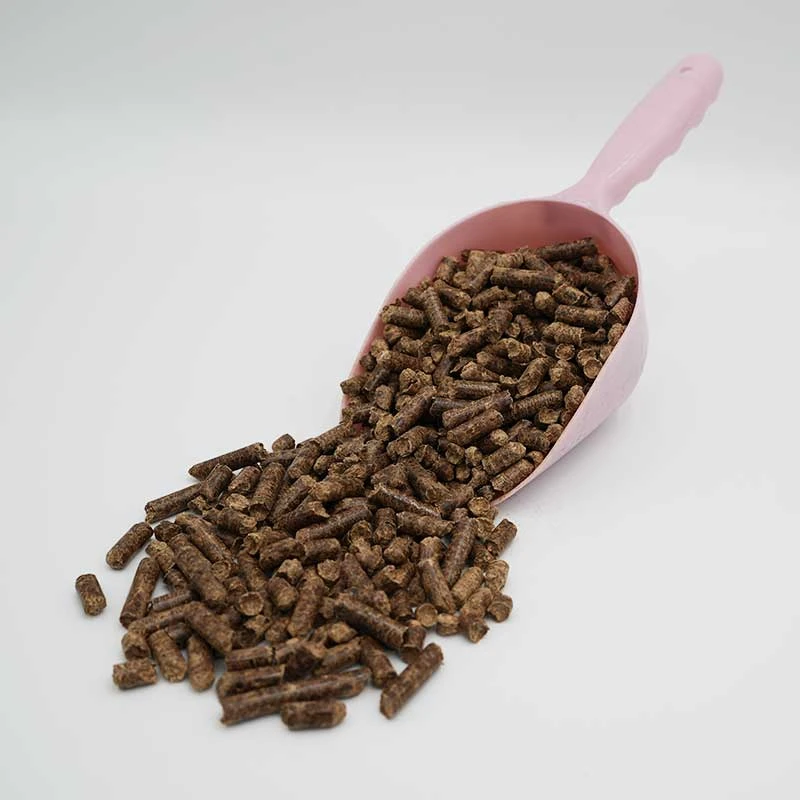
Compressed pure hardwood pellets that swell into wet sawdust when you add hot water. The standard base for fruiting blocks, used plain for oysters or blended with soy hull pellets for richer mixes.
Choose your option
Some formats are out of stock
Want to know the moment it returns?
100% hardwood, no binders or additives. For legal gourmet cultivation and lab use.
No glues, binders, bark or fuel additives that would harm mycelium
Breaks down into damp sawdust in about 20 to 30 minutes with hot water
Stores for years while sealed and dry, so you can buy in bulk
The short version
Hardwood pellets are sawdust pressed into hard pellets under high heat and pressure, with nothing added to hold them together. Add water and they fall apart into a clean, damp sawdust substrate ready to colonise.
Used plain they fruit oyster mushrooms well. Mixed 50:50 with soy hull pellets they make a richer block for oyster and lion's mane. Either way you hydrate, treat for contamination, add spawn, then colonise and fruit.
What it is
Pressed hardwood, nothing else
These are hardwood sawdust pellets, the same form sold as wood heating fuel. The sawdust is forced through a die under high pressure and heat, which is what holds the pellet together. There is no glue, no binder, no bark and no accelerant. That matters, because additives that are fine in a fuel pellet are toxic to mushroom mycelium.
The press runs hot, around 150 degrees C as the pellets leave the die. They arrive very dry, usually under 8 to 10 percent moisture, which is why they store for so long and start out low in contamination. Being dry is not the same as being treated though, so you still hydrate and pasteurise or sterilise before use. When you add water they break down into loose, damp sawdust with a fine texture that mushroom mycelium runs through easily.
How to use it
Hydrating and using the pellets
The simplest use is a plain hardwood block for oyster mushrooms. Weigh your pellets, add hot water at roughly 1.2 litres per kilo of dry pellets, and leave them 20 to 30 minutes to swell and fall apart. Mix through. You are aiming for damp sawdust that holds together when squeezed and releases only a drop or two of water, not a stream. That is around 60 to 65 percent moisture.
Weigh and wet
Weigh dry pellets into a clean bucket or filter bag. Add hot water at about 1.2 litres per kilo of pellets. For a 1 kg portion that is roughly 1.2 litres of water.
Let them break down
Leave 20 to 30 minutes. The pellets swell and collapse into sawdust. Mix it through so the moisture is even. Squeeze test for 60 to 65 percent moisture.
Treat for contamination
Plain hardwood for fast species like oyster can be cold water lime pasteurised. The 20 to 30 minute swell above only breaks the pellets down, it does not pasteurise. To pasteurise, dissolve hydrated lime at about 2 to 4 grams per litre of water, then keep the substrate fully submerged in that lime water for 16 to 20 hours. The high pH holds back mould while the block colonises. After soaking, drain and squeeze out the excess water back to 60 to 65 percent moisture before you spawn. If you have added any nutrient supplement, you must sterilise instead, at 15 PSI for about 2.5 hours in a pressure cooker.
Spawn and colonise
Let the substrate cool to room temperature first, or warm spawn will be killed. Mix in grain spawn at 10 to 20 percent of the substrate weight. Seal in a filter bag or container and let it colonise fully before fruiting.
For a richer block, make a Master's Mix: 50 percent hardwood pellets and 50 percent soy hull pellets by weight, hydrated to about 60 to 65 percent. Because the soy hulls add nutrients, the whole mix must be sterilised, not just pasteurised. Soy hulls take up water more slowly, so soak them first or use boiling water.
| Plain hardwood, hydration | About 1.2 litres water per 1 kg dry pellets |
|---|---|
| Target moisture | 60 to 65 percent |
| Pellet swell time | 20 to 30 minutes |
| Lime pasteurise soak | 16 to 20 hours fully submerged |
| Lime for pasteurising | About 2 to 4 g hydrated lime per litre of water |
| Spawn rate | 10 to 20 percent of substrate weight |
| Master's Mix | 50:50 hardwood to soy hull pellets, sterilise |
Which mushrooms
What grows well on it
Oyster mushrooms (Pleurotus) do best on plain hardwood and colonise aggressively, so they are the easiest start. Lion's mane and shiitake will grow on hardwood but do better with some supplementation. Keep shiitake mixes lighter on nutrients though, as a rich block can colonise unevenly and deform the fruit. King oyster strongly prefers a supplemented block.
Softwood is the thing to avoid. Pine, spruce and cedar carry resins and terpenes that slow or kill mycelium. These pellets are hardwood only, which is what you want.
Storage and what to check
Storage, and what these are not
Keep the pellets sealed and dry and they store for years. Store off the floor in a dry room. If pellets have swollen, crumbled or smell musty, they have taken on moisture and should not be used.
One genuine caution. Not all heating pellets are clean. Some are made from recycled pallet or construction wood that may carry oils or chemicals, and some fuel pellets contain binders or softwood. Only use pellets sold as pure hardwood with no additives, which is what these are. These pellets are a growing substrate, not food, and not a finished grow kit. You supply the spawn, the treatment and the fruiting conditions.
Common questions
Frequently asked
No. For fast species like oyster you can cold water lime pasteurise. You only need to sterilise once you add a nutrient supplement.
About 1.2 litres per kilo of dry pellets, then leave 20 to 30 minutes and check for 60 to 65 percent moisture.
First let the pellets swell and break down with hot water, about 20 to 30 minutes. That step does not pasteurise on its own. To pasteurise, dissolve hydrated lime at about 2 to 4 grams per litre of water, then keep the substrate fully submerged in that lime water for 16 to 20 hours. The high pH holds back mould while a fast species colonises. Drain and squeeze out the excess water back to 60 to 65 percent moisture before you spawn.
Oysters do brilliantly on plain hardwood. Lion's mane and shiitake grow but prefer some supplementation, and shiitake wants only a light feed. Avoid softwood species entirely.
Only if they are 100 percent hardwood with no binders, flavour oils or additives. These are pure hardwood, so they are fine for growing.
A 50:50 blend of hardwood pellets and soy hull pellets, hydrated to about 60 to 65 percent and sterilised. It gives higher yields than plain hardwood for oyster and lion's mane. Avoid it for shiitake, which deforms and yields less on a rich mix.
For years while sealed and dry. Discard any that have swelled, crumbled or smell musty.
Ask the community
Questions and answers
No questions yet. Yours could be the first.
Sold as a cultivation substrate for legal gourmet mushroom growing and lab use. Not food. Keep dry and out of reach of children and pets.
We work hard to keep this information accurate and to cite reputable sources, but the occasional mistake can still slip through. Always check the product label and a current reference before relying on any figure for something important.