
Home / Mushroom Cultivation / Spawn & Substrates / Gypsum (Calcium Sulfate)
Spawn & Substrates
Gypsum (Calcium Sulfate)
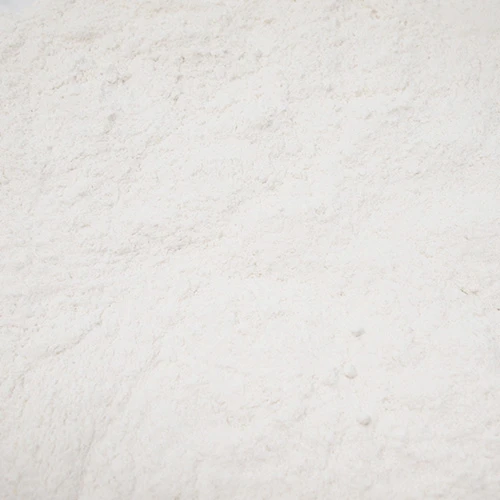
Powdered calcium sulfate that keeps grain spawn loose and free running, and adds calcium and sulphur without moving the pH.
Choose your option
Some formats are out of stock
Want to know the moment it returns?
Resealable bag. Keep dry and it lasts for years.
About 23% calcium and 18% sulphur by weight
Holds pH steady, not lime, so it will not push your mix acid or alkaline
Finely ground for even mixing, never construction plaster
The short version
Gypsum is powdered calcium sulfate dihydrate (CaSO₄·2H₂O). In grain spawn it coats the kernels and soaks up surface moisture so they stay separate instead of setting into a solid block, which lets mycelium run through the air gaps. It also adds a little calcium and sulphur and helps hold the pH steady during colonisation.
Use a small amount in grain and a little more in bulk. It does not raise pH like lime, so the two are not interchangeable.
WHAT IT IS
What gypsum does in a mix
Gypsum is the common name for calcium sulfate dihydrate, the same mineral used in plaster and as a soil conditioner. Ours is finely ground horticultural grade, not the set-and-harden plaster sold for building work.
It does three things. It coats grain and absorbs surface water so cooked kernels stay loose and free running rather than clumping into a wet mass. It supplies calcium and sulphur, which in the pure dihydrate work out at about 23% calcium and 18% sulphur by weight. And it helps hold pH steady as the mycelium produces acids during colonisation. Unlike lime, it will not shift your substrate pH up, so do not reach for it when you actually want to raise pH.
HOW TO USE IT
How to use gypsum
Grain spawn
Add about 1 to 2% of the dry grain weight, before or after cooking. As a rough guide that is roughly a teaspoon at the low end and a tablespoon at the high end per quart jar. Mix it through so every kernel gets a light dusting.
Bulk substrate
For coir, straw or sawdust based bulk substrates, growers typically work in the region of 5 to 10% gypsum by weight. Blend it evenly through the dry material before you add water so you do not get pockets or clumps.
Mix and proceed
Combine thoroughly, hydrate, then sterilise or pasteurise as you normally would. Gypsum does not replace any step in your process. It just improves the texture of what goes into it.
Start at the lower end of the range. Too much can pack a substrate down and cut the air the mycelium needs.
SPECIFICATION
The detail
| Chemical | Calcium sulfate dihydrate, CaSO₄·2H₂O |
|---|---|
| CAS number | 10101-41-4 |
| Molar mass | About 172 g/mol |
| Composition | About 23% calcium, 18% sulphur by weight |
| Effect on pH | Near neutral, holds pH steady, does not raise or lower it |
| Water solubility | Low, about 2 g per litre at 20C |
| Grade | Horticultural, finely ground |
WHAT IT IS NOT
What gypsum is not for
Gypsum is not lime. If you need to raise the pH of an acidic substrate, gypsum will not do it. Reach for hydrated lime or a similar alkaline amendment instead.
It is also not a nutrient feed or a fix for a poor recipe. It supplies calcium and sulphur and improves texture, nothing more. And it is not construction or moulding plaster, which sets hard and is the wrong material for a grow mix.
Common questions
Frequently asked
No. It holds pH steady rather than raising it. If you need to raise pH, use lime, not gypsum.
About 1 to 2% of the dry grain weight, roughly a teaspoon to a tablespoon per quart jar. Start low.
That is its main job in grain. It coats the kernels and absorbs surface moisture so they stay loose and free running.
No, it is optional and you can grow without it. It mainly helps with grain that clumps, and adds a little calcium and sulphur. Many growers find their results steadier with it.
No. Use horticultural or lab grade gypsum only. Construction plaster sets hard and is not meant for this.
Keep the bag sealed and dry. Gypsum is stable and lasts for years if it does not take up moisture.
It is non-toxic in normal use. The only real point is to avoid breathing the dust, as fine powder can irritate the eyes, nose and throat.
Ask the community
Questions and answers
No questions yet. Yours could be the first.
Sold as a horticultural substrate amendment for legal gourmet mushroom cultivation and lab use.
We work hard to keep this information accurate and to cite reputable sources, but the occasional mistake can still slip through. Always check the product label and a current reference before relying on any figure for something important.