



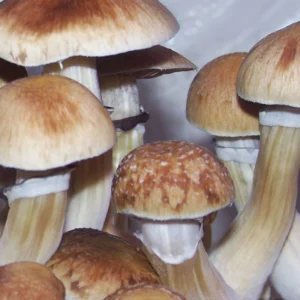
 B+
B+
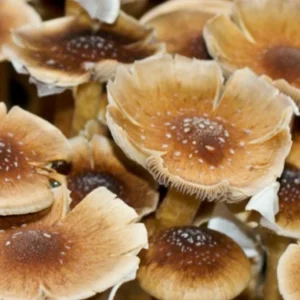 Ban Hua Thai
 Blue Magnolia
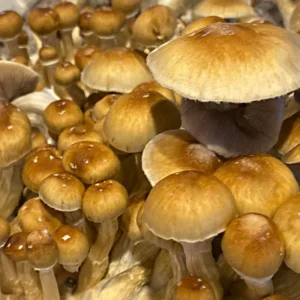 Cambodian
 E4K
E4K
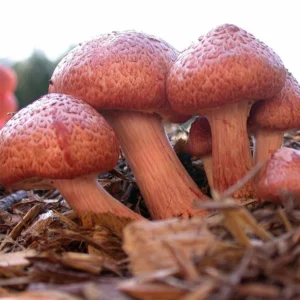
 MIB
MIB
 Psilocybe Azurescens
 Psilocybe Mexicana
 Psilocybe Subaeruginosa
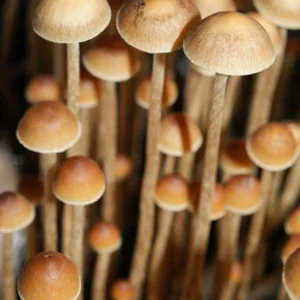 Psilocybe Tampanensis
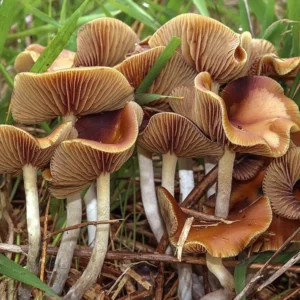
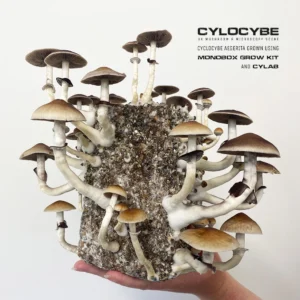
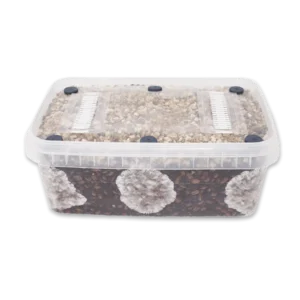 MycoBox Grow Kit
 PF-Tek MycoBox Grow Kit
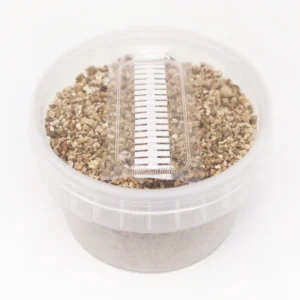 PF-Tek MycoPot Grow Kit (DIY)
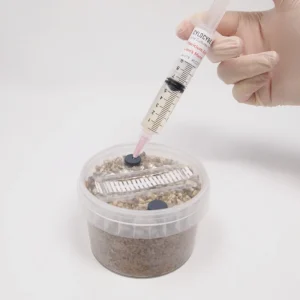 PF-Tek MycoPots Grow Kit
 Rye Grain SpawnTubs™ (Sterile)
 Agricultural Lime (Calcium Carbonate) 1kg
 Brown Rice Flour
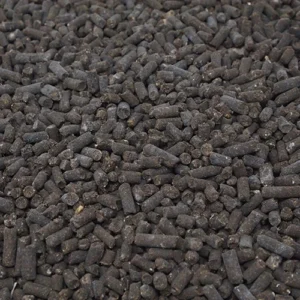 Chicken Manure Pellets (1kg)
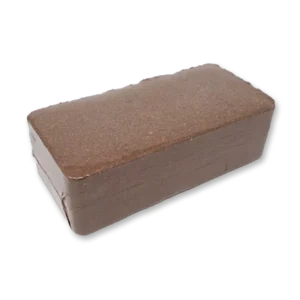 Coco Coir (650g)
 Gypsum (Calcium Sulphate) 3kg
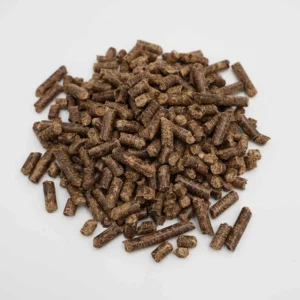 Hardwood Pellets (3kg)
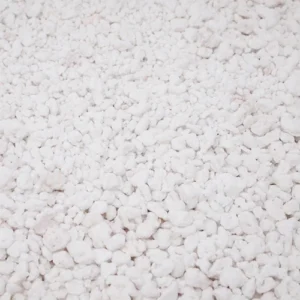 Perlite (5L)
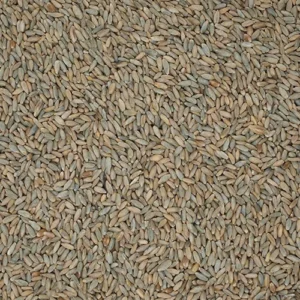 Rye Grain (3kg)
 12ml Vials (5)
 3M Breathable Micropore Tape
 70% IPA Clinell Alcohol Wipes (5)
 CyLab
CyLab
 Kilner 1L Mason Jars (12)
 Sabla™ / Still-air Box (S/M/L/XL)
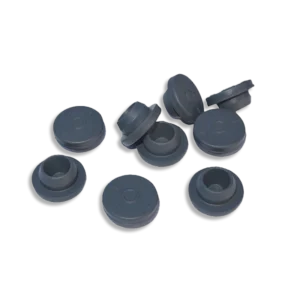 Self-Healing Injection Ports (10)
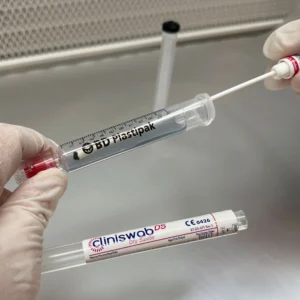 SporeKit™ Syringe

 Dextrose (100g)
 Light Malt Extract (LME 100g)
 Urea Granules (1kg)
Home / Mushroom Cultivation / Spawn & Substrates / Hydrated Lime (Calcium Hydroxide) 1kg

Hydrated Lime (Calcium Hydroxide) 1kg
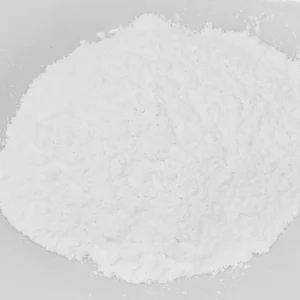
This is hydrated lime, also called calcium hydroxide or slaked lime. Mushroom growers use it for cold water lime pasteurisation. You stir it into the soak water for straw or similar bulk substrate, which pushes the pH up high enough to knock back competing moulds and bacteria without boiling or steaming.
It is a fine white powder and it is an irritant. Keep it off your skin and out of your eyes and lungs. Wear nitrile gloves, fitting goggles and a dust mask when you scoop and stir it.
What it is
What hydrated lime does
Hydrated lime is calcium hydroxide, Ca(OH)2. When it dissolves in water it makes the water strongly alkaline. A saturated solution sits around pH 12.4 at room temperature. That high pH is what does the work. Most of the moulds and bacteria that would compete with your mushroom mycelium cannot survive in it, so a long soak in lime water leaves the substrate clean enough to inoculate.
You are not pasteurising with temperature, you are pasteurising with pH. That makes it cheap and simple for bulk substrates like straw, where heating a large volume would be a lot of effort. It also stays a cold method by nature. Calcium hydroxide is unusual in that it dissolves less in hot water than in cold, so warming the bath does not help.
Use hydrated lime, not garden lime or dolomite lime. Those are mostly calcium carbonate, do not raise the pH anywhere near far enough, and often carry magnesium that can hold back mycelium. This product is low in magnesium and is the right type for the job.
How to use it
Cold water lime pasteurisation
This method suits chopped straw and other lower nutrient bulk substrates such as cardboard, plain hardwood sawdust or pellets, and sugarcane bagasse. It pairs well with fast, tolerant mushrooms like oyster. It is not the right method for rich substrates or for slower, fussier species.
Mix the lime water
Use about 2 grams of lime per litre of water. Some growers use a little less, around 1.75 grams per litre. That gives a strongly alkaline bath, roughly pH 11 to 13. More lime than this does not pasteurise better, so there is no reason to overdose. Put your gloves, goggles and mask on, then stir the lime fully into the water in a clean container or drum.
Submerge the substrate
Push the straw or other substrate fully under the lime water. Weigh it down so it stays submerged and does not float. The whole batch needs contact with the high pH water.
Soak
Leave it to soak for roughly 12 to 24 hours. Sawdust and finer materials usually need less time than coarse straw.
Drain and inoculate
Lift the substrate out and let it drain to field capacity, so a hard squeeze gives a few drops but no stream. There is no need to rinse the lime off. Then mix in your spawn and pack your grow container. Discard the used lime water, do not reuse it batch after batch.
Lime pasteurisation lowers contamination, it does not sterilise. Work cleanly and inoculate generously with healthy spawn for the best result.
Handling and storage
Storage and safety
Calcium hydroxide is classed as an irritant under GB and EU rules, with the signal word Danger. It can irritate the skin and the respiratory system and it can cause serious eye damage. The risk is the high pH, not poisoning.
Wear nitrile gloves, fitting goggles and a dust mask, and avoid raising dust. If it gets in your eyes, rinse with plenty of water for several minutes and seek medical advice. If it gets on skin, brush off the dry powder then wash with plenty of water. Keep it away from children.
| Chemical | Calcium hydroxide, Ca(OH)2 |
|---|---|
| CAS number | 1305-62-0 |
| EC number | 215-137-3 |
| Appearance | White to off white fine powder, odourless |
| pH | About 12.4 in saturated solution at 20C |
| Classification | Skin Irrit. 2 (H315), Eye Dam. 1 (H318), STOT SE 3 (H335, inhalation). Signal word Danger |
| Pack | 500g resealable pouch |
Store the pouch closed in a dry place. Lime slowly reacts with moisture and with carbon dioxide in the air, which turns it back to calcium carbonate and weakens it over time, so press the air out and reseal between uses. Keep it away from acids.
Good to know
What this is not for
This is not a long term pH buffer for grain spawn or fruiting mixes. Hydrated lime swings pH hard and high, which is exactly what you want for a pasteurising soak but not what you want sitting in a substrate. For gentle buffering, growers use calcium carbonate or gypsum instead.
It is also not a sterilant for jars or agar work, and it is not a feed or supplement for the mushrooms. Its one job here is the cold water soak.