
Home / Mushroom Cultivation / Additives & Chemicals / Agar‑Agar Powder
Additives & Chemicals
Agar‑Agar Powder
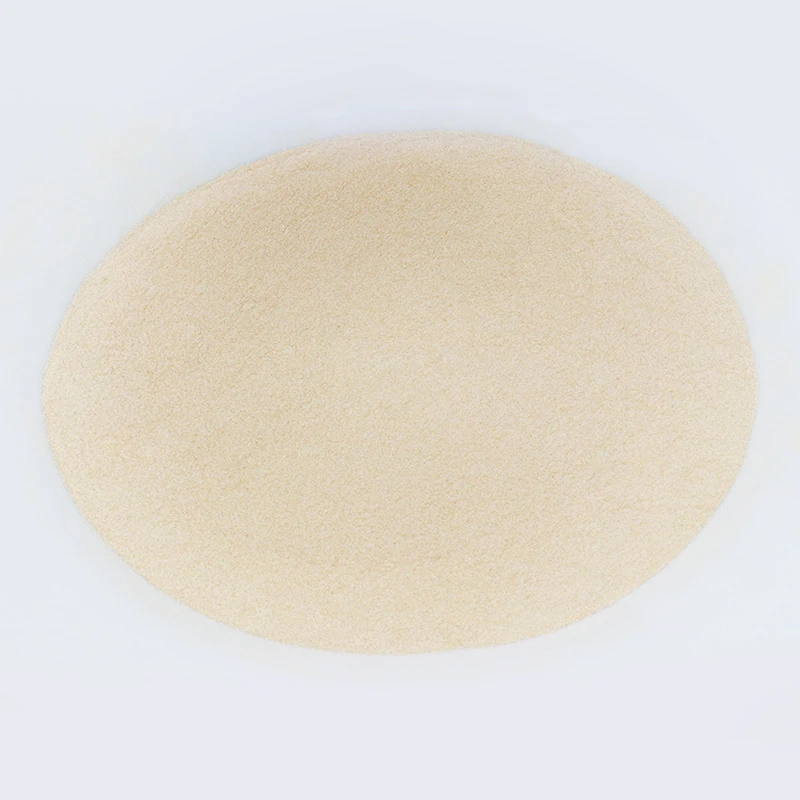
A plant-based gelling powder from red seaweed. You add it to a nutrient like malt extract to set firm, clear plates for starting and cleaning up mushroom cultures.
Out of stock
Want to know the moment it returns?
Food grade. Odourless, tasteless and not an animal product.
The same agar used in food, classed as additive E406 and treated as safe to handle.
Around 20 g per litre sets a firm plate, so a pouch goes a long way.
Sets clear and stays solid at room temperature, so colonies and contaminants are easy to read.
The short version
Agar-agar is a gelling powder made from red seaweed. On its own it has no food value for fungi, so it is not a complete medium. You mix it with water and a nutrient such as light malt extract, pressure cook it, then pour it into petri dishes where it sets into firm, clear plates.
Those plates are how growers start cultures from spores or tissue, clean a culture up, and pick the healthiest growth to take forward to grain or liquid culture.
WHAT IT IS
A gelling agent, not a food
Agar-agar is a polysaccharide taken from the cell walls of red seaweed, mainly the Gelidium and Gracilaria genera. Purified and dried it becomes a fine off-white powder that is odourless and tasteless. In food it is the additive E406 and is treated as safe to eat.
The useful part for a grower is how it sets. A solution of roughly 1 to 2 percent forms a firm gel as it cools to about 32 to 43 C, and that gel does not melt again until it is heated past about 85 C. This large gap between setting and melting is why an agar plate stays solid in the lab and in a warm room. Most fungi and bacteria cannot digest agar itself, so the gel holds its shape while a culture grows on top of it. That also means agar gives no nutrition on its own. You have to add a food source.
HOW TO USE IT
Making malt extract agar plates
The common mushroom recipe is light malt extract agar, often called MEA or LMEA. Malt extract feeds the culture and agar sets it. A standard mix is 30 g light malt extract and 20 g agar per litre of water, then sterilised. Quantities vary between growers, but plan on about 20 g of agar per litre for a firm plate.
Weigh and mix
Into 1 litre of water, add 30 g light malt extract and 20 g agar. A common small batch is 7.5 g malt extract and 5 g agar in 250 ml. Stir to disperse the powder.
Sterilise
Pressure cook at 15 PSI for 30 minutes. This both sterilises the medium and fully dissolves the agar. Loosen jar lids so they do not seal. Do not overcook, as long heating darkens the mix and can weaken the gel.
Cool a little
Let the bottle cool to roughly 46 to 52 C before you pour. It is still liquid at this point, but cool enough to cut down condensation in the dishes. Swirl gently to mix in any settled malt, but avoid making bubbles.
Pour plates
In front of still, clean air, pour about 15 to 20 ml into each 90 mm petri dish, enough to cover the base. Leave the lids ajar until the gel sets, then close them.
A litre of poured medium fills roughly 50 to 65 standard 90 mm dishes at 15 to 20 ml each. A 100 g pouch of agar makes around 5 litres of firm medium at 20 g per litre, so one pouch covers a few hundred plates.
STORAGE & SAFETY
Keeping the powder and the plates
Keep the dry powder sealed, cool and dry. It is a stable food ingredient and is not hazardous to handle, but as with any fine powder, avoid breathing in dust and keep it out of reach of children. Eaten in quantity it acts as a laxative, since fungi and people both cannot digest it.
Once poured and set, store finished plates inverted, gel side up, in a cool dark place so any condensation drains away from the surface. A sealed bag or box keeps them clean. They keep in the fridge for several weeks, but do not freeze them, as freezing breaks up the gel and leaves it weeping and cracked.
GOOD TO KNOW
What this is not
Agar is only the setting agent. It is not a substrate to fruit mushrooms on and it will not feed a culture by itself. You always pair it with a nutrient such as malt extract. It is also not a replacement for grain spawn or bulk substrate. Think of it as the first clean step where you start and tidy a culture, before you move the healthy growth on to grain or liquid culture.
Common questions
Frequently asked
Yes. Agar only sets the medium, it gives no nutrition. Pair it with light malt extract or another nutrient so the culture has something to feed on.
About 20 g per litre gives a firm plate, with 30 g malt extract for food. Less agar makes a soft gel, more makes it tougher.
Around 5 litres of medium at 20 g per litre, which is a few hundred standard 90 mm plates depending on how thickly you pour.
For clean plates, yes. Pressure cooking at 15 PSI for 30 minutes both dissolves the agar and sterilises the medium so contaminants do not take over.
Set, then keep them inverted in a cool dark place in a sealed bag. They keep in the fridge for several weeks but should not be frozen.
Yes. It is food grade agar, the same E406 used in cooking. Just avoid breathing the dust and keep it sealed and dry.
Ask the community
Questions and answers
No questions yet. Yours could be the first.
Supplied for food use and for microscopy and the legal cultivation of gourmet and edible mushrooms.
We work hard to keep this information accurate and to cite reputable sources, but the occasional mistake can still slip through. Always check the product label and a current reference before relying on any figure for something important.