


 B+
B+
 Ban Hua Thai
 Blue Magnolia
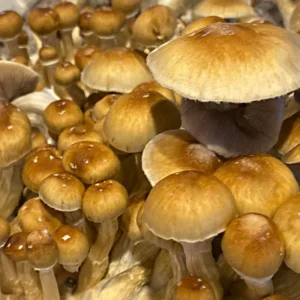 Cambodian
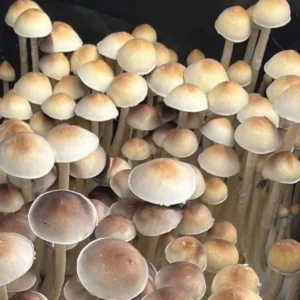 E4K
E4K
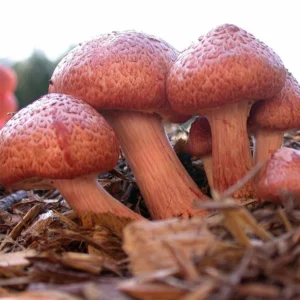
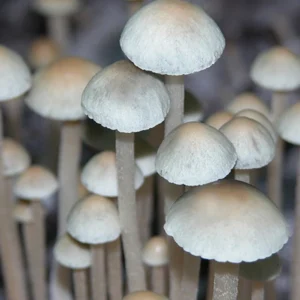 MIB
MIB
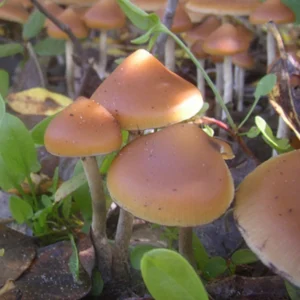 Psilocybe Azurescens
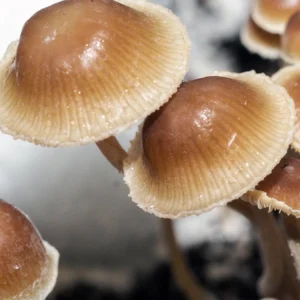 Psilocybe Mexicana
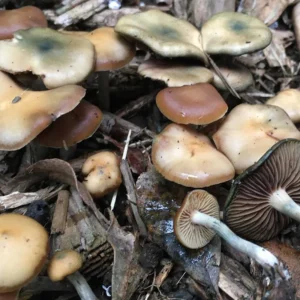 Psilocybe Subaeruginosa
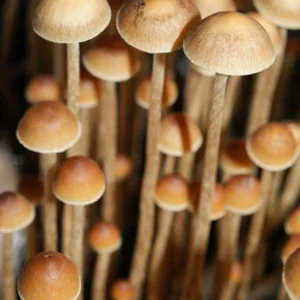 Psilocybe Tampanensis
 MycoBox Grow Kit
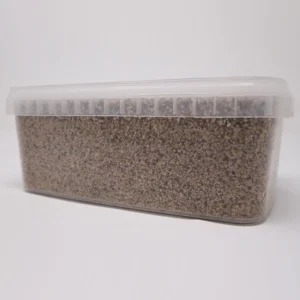 PF-Tek MycoBox Grow Kit
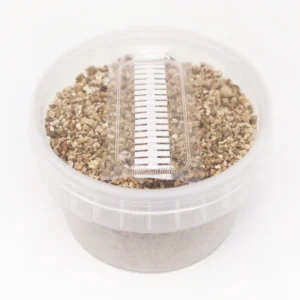 PF-Tek MycoPot Grow Kit (DIY)
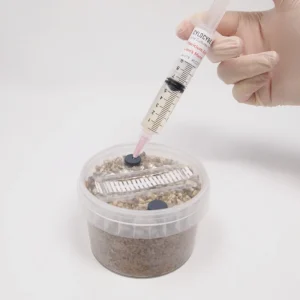 PF-Tek MycoPots Grow Kit
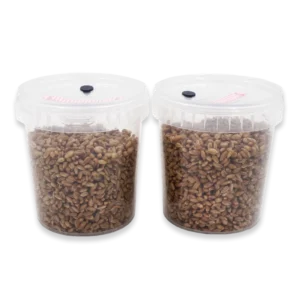 SpawnTubs™
 Brown Rice Flour
 Chicken Manure Pellets (1kg)
 Coco Coir (650g)
 Gypsum (Calcium Sulphate) 3kg
 Hardwood Pellets (3kg)
 Perlite (5L)
 Rye Grain (3kg)
 3M Breathable Micropore Tape
 70% IPA Clinell Alcohol Wipes (5)
 CyLab
CyLab
 Kilner 1L Mason Jars (12)
 Sabla™ / Still-air Box (S/M/L/XL)
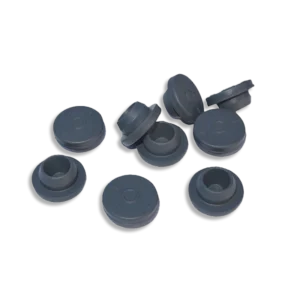 Self-Healing Injection Ports (10)
 SporeKit™ Syringe
 Dextrose (100g)
 Light Malt Extract (LME 100g)
 Urea Granules (1kg)
Home / Mushroom Cultivation / Sterile & Lab Equipment / 12ml Vials (5)
Sterile & Lab Equipment
12ml Vials (5)
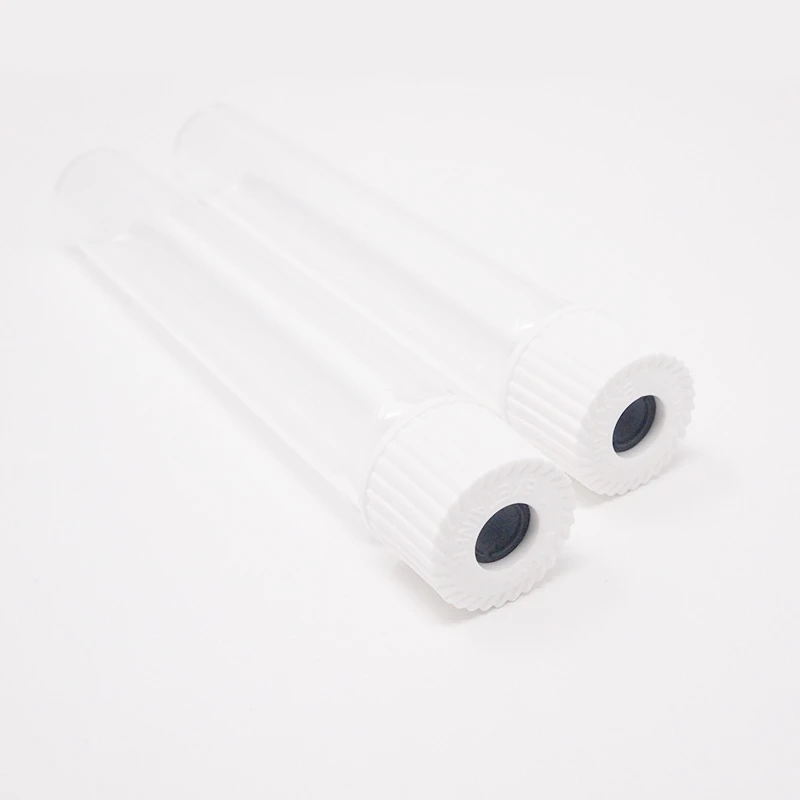
Five small borosilicate glass vials with a self-healing rubber port in the lid. You inject and draw through the port with a needle while the screw lid stays sealed, so they suit liquid culture and storing spore or culture samples.
Choose your option
Supplied non-sterile. Clean and autoclave before first use.
Low thermal expansion, so you can steam sterilise the vials in a pressure cooker or autoclave.
Butyl rubber reseals after a needle, letting you inject and draw without opening the lid.
Wash and re-sterilise between batches rather than throwing them away.
What it is
What you are buying
This is a set of five borosilicate glass vials. Borosilicate is the glass used in most laboratory glassware. It has a low rate of thermal expansion, so it copes with the heat of a pressure cooker or autoclave without cracking from the temperature change.
Each vial has a screw lid with a built-in self-healing port made of butyl rubber. When you push a needle through the port and pull it back out, the rubber closes the hole behind it. This keeps the inside of the vial sealed from the air, which is what lets you work without lifting the lid and exposing the contents.
The vials are reusable. After a batch you wash them, fit a fresh or cleaned port, and sterilise again. The rubber port takes a number of needle punctures before it stops sealing reliably and needs replacing.
How to use them
Using vials for liquid culture
Liquid culture is a sterile sugar and water solution that you inject with a small amount of culture or a spore syringe. The mycelium grows through the liquid, and you draw it out later to inoculate grain. The vial is the sealed container that holds that liquid while it grows.
Make the solution
Keep the sugar light, around 1 to 4 percent by weight. That is roughly 10 to 40 grams of light malt extract or honey per litre of water, so about 2.5 to 5 grams in 500ml. A weaker solution stays clearer and is less likely to feed contamination. Part-fill each vial and leave air space at the top so you can swirl it later.
Sterilise
Sterilise the filled vials at 15 PSI for 20 minutes in a pressure cooker or autoclave. Start timing once full pressure is reached. Leave the lids a quarter turn loose during the run so pressure does not build inside the vial, then tighten once cool.
Inoculate
Let the vials cool fully first. Wipe the rubber port with 70 percent isopropyl alcohol. Flame the needle, let it cool, then inject about 1 to 2ml of your culture or spore solution through the port. The rubber reseals as you withdraw.
Grow and draw
Keep the vial somewhere warm and dark and swirl it now and then to break up the mycelium. Once the liquid is colonised you draw it back out through the same port to inoculate grain, usually around 1 to 2ml per jar.
The vials also work as sealed storage for spore solutions or culture samples. Spores do not stick to glass as readily as they do to plastic, which makes them easier to mix and draw later.
Storage and care
Storing and looking after them
Keep finished liquid culture cool and dark. Many growers store vials in the fridge, around 2 to 8 degrees, to slow the mycelium and keep it usable for longer. Do not freeze them, as ice crystals damage the mycelium. Refrigerated liquid culture can stay viable for several months, but it works best when used within a month or two.
Borosilicate is strong but its strength depends on the surface. A scratch, even a fine one, weakens the glass and makes it more likely to fail under heat. Avoid scoring the vials with hard tools and retire any that are chipped or scratched.
| Glass | Borosilicate, autoclavable |
|---|---|
| Lid | Screw lid with self-healing butyl rubber injection port |
| Pack size | 5 vials |
| Supplied | Non-sterile, clean and sterilise before use |
| Reuse | Wash and re-sterilise between batches |
What it is not
What these are not for
These are empty containers. They do not come sterile and they do not contain any culture, spores or nutrient solution. You supply and prepare all of that yourself.
They are general lab and cultivation vials. We supply them for microscopy work and for legal gourmet mushroom cultivation. Spores in the UK are sold for microscopy only, and growing psilocybin mushrooms is illegal here. Please keep your use within the law.
Sold for microscopy and legal gourmet mushroom cultivation. In the UK, spores are for microscopy only and cultivating psilocybin mushrooms is illegal.