
Home / Mushroom Cultivation / Sterile & Lab Equipment / Kilner 1L Mason Jars (Pack of 12)
Sterile & Lab Equipment
Kilner 1L Mason Jars (Pack of 12)
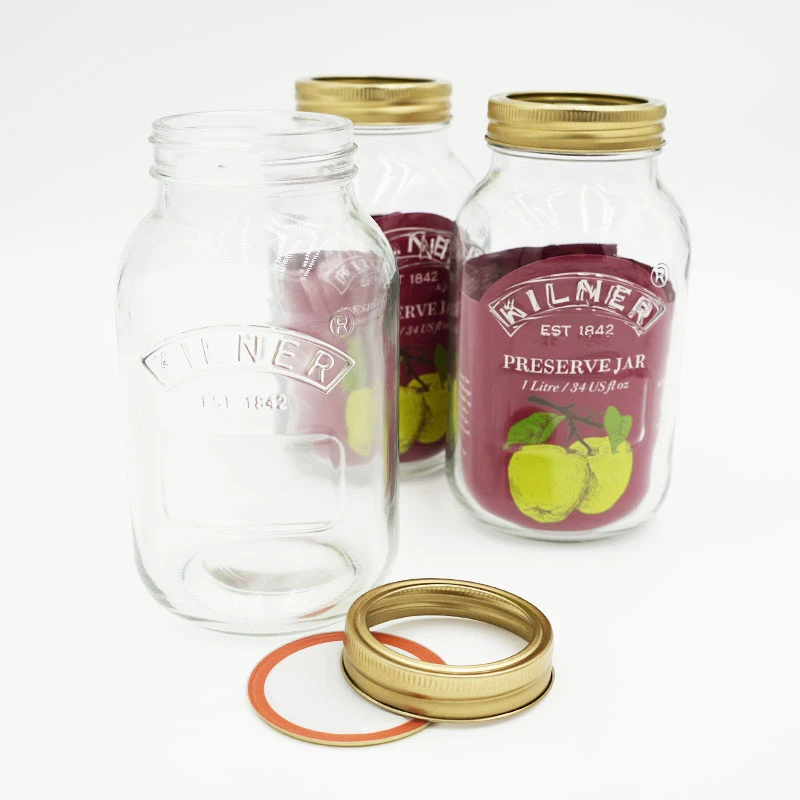
Genuine 1 litre Kilner round clip top jars, sold in a box of twelve. The standard glass vessel for grain spawn and small bulk substrate work in a home lab.
Out of stock
Want to know the moment it returns?
Limit of one box per order.
Soda-lime glass with a stainless steel clip and rubber seal
Twelve jars per box, a common size for grain spawn
Open the clip for gas exchange, close it for storage
The short version
These are genuine Kilner round clip top preserving jars, one litre each, supplied as a box of twelve. They are kitchen preserving jars in soda-lime glass, not laboratory glassware, but the one litre size is a common choice for grain spawn and small bulk runs in a home mushroom lab.
You supply your own breathable or filter lid for colonisation. The standard clip seal is airtight and is for storage only. The jars are the glass vessel alone.
What it is
A standard preserving jar, used as a culture vessel
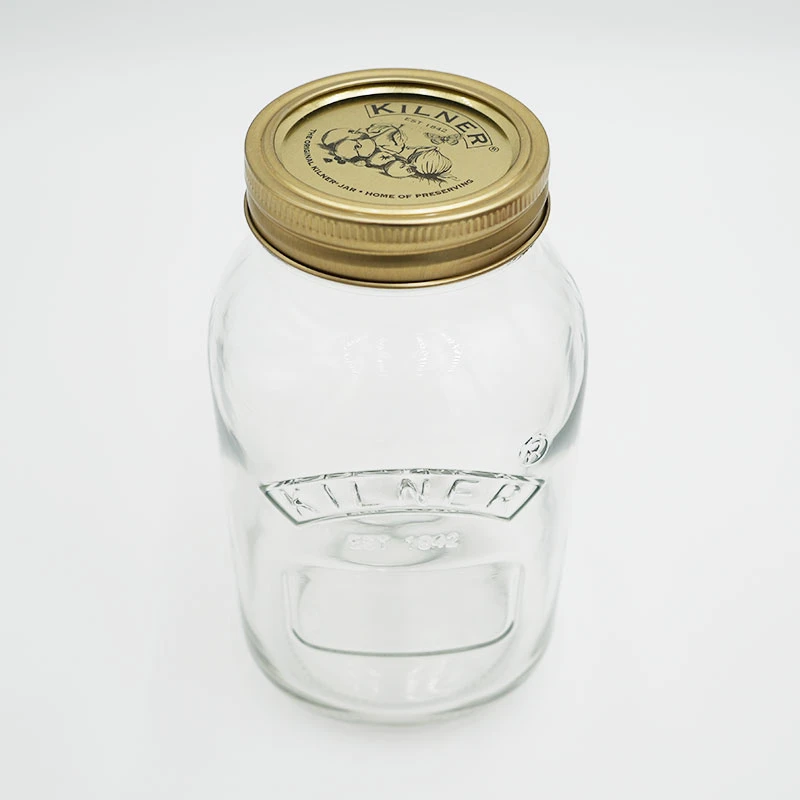
Each jar holds one litre and is made from soda-lime glass with a stainless steel clip and a replaceable rubber seal. The clip lets you close the jar airtight or leave it open. Each jar is about 180mm tall and about 110mm across the body, around 130mm across the clip arms.
Growers use this size because one litre holds a useful amount of grain once it is hydrated and drained, while still letting several jars fit into a domestic pressure cooker at once. The mouth is a standard round opening, not a wide mouth, so plan on breaking the grain up by shaking rather than reaching in.
| Capacity | 1 litre (1000ml) each |
|---|---|
| Quantity | 12 jars per box |
| Material | Soda-lime glass |
| Closure | Stainless steel clip with rubber seal |
| Height | Approx. 180mm |
| Width | Approx. 110mm body, 130mm across the clip |
How it is used
Grain spawn in a home lab
The usual method is to part fill each jar with soaked, drained grain such as rye, fit a breathable lid, sterilise, then inoculate with a culture and leave it to colonise. Aim for each jar to be about two thirds to three quarters full of hydrated grain, so the mycelium can spread and the grain can still be loosened by shaking.
Load the grain
Soak and drain your grain, then part fill each jar. Leave headspace so the grain stays loose and can be shaken later.
Fit a breathable lid
Remove the clip seal and fit a lid that allows gas exchange and inoculation, such as a synthetic filter disc lid with an injection port. The standard rubber seal is airtight and is for storage, not colonisation.
Sterilise in a pressure cooker
A common protocol for this size is 15 psi for 90 minutes, timed from when full pressure is reached. Stand the jars on a rack above a few centimetres of water, leave the clip open, and cover the lid loosely with foil to keep condensate out.
Cool, inoculate, colonise
Let the cooker depressurise on its own and the jars cool fully before handling, then inject your culture through the port and leave them to colonise. Shake once the grain is lightly colonised to spread the mycelium.
Heat and care
Avoiding thermal shock
Soda-lime glass can crack from a sudden temperature change. Kilner advise against pouring boiling water straight into a cold jar. Bring the jars up to heat gradually, and let them cool slowly after sterilising rather than handling them straight away.
If you sterilise in winter or with cold grain, warm the jars through first. One way is to start them in cold water and bring it up towards boiling before loading the pressure cooker, so nothing goes from cold to hot in one step.
The jars are dishwasher safe. Kilner suggest washing the clip and rubber seal by hand. The seals are replaceable and wear over time.
What it is not
Not lab borosilicate
These are kitchen preserving jars, not laboratory borosilicate glassware. They are not made for direct flame, oven use or extreme temperature swings. Handle them as glass: gradual heating, gradual cooling, and replace any jar that is chipped or cracked before it goes near a pressure cooker.
Common questions
Frequently asked
No. They come with the standard airtight clip seal. For colonisation you fit your own filter or modified lid.
Yes, soda-lime glass is widely used this way. Heat and cool gradually to avoid cracking, stand the jars on a rack, and leave the clip open.
It holds a useful amount of grain while still letting several jars fit in a domestic pressure cooker at once.
No, it is a standard round opening, not a wide mouth. You break the colonised grain up by shaking the jar.
No. They are genuine Kilner kitchen jars. They work well for home cultivation but are not borosilicate lab glass.
Stock is limited per order so more growers can buy at this price.
Sources
Ask the community
Questions and answers
No questions yet. Yours could be the first.
Sold as glassware for legal gourmet cultivation and microscopy. Heat resistant within normal preserving use only. Not for direct flame or oven.
We work hard to keep this information accurate and to cite reputable sources, but the occasional mistake can still slip through. Always check the product label and a current reference before relying on any figure for something important.