


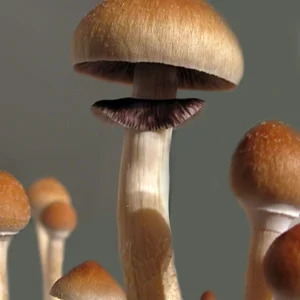
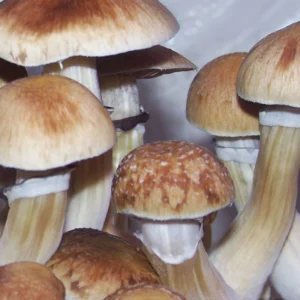
 B+
B+
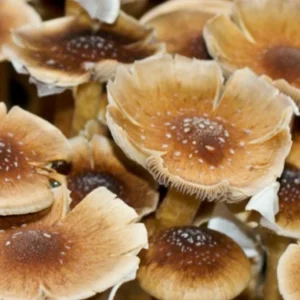 Ban Hua Thai
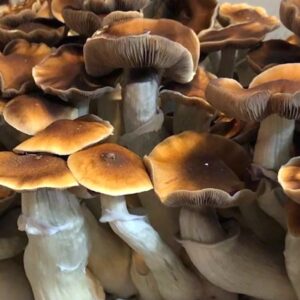 Blue Magnolia
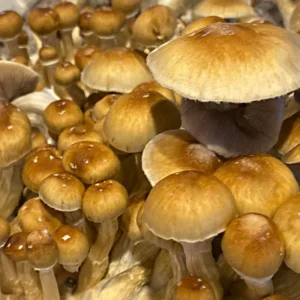 Cambodian
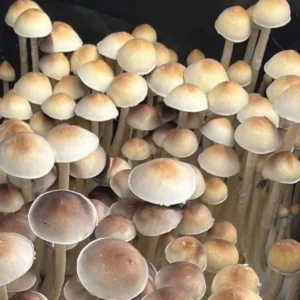 E4K
E4K
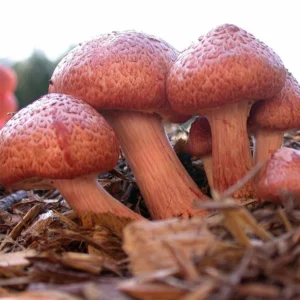
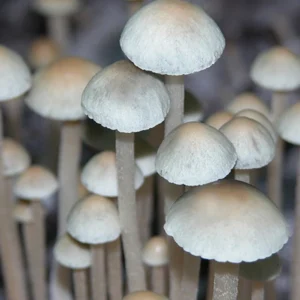 MIB
MIB
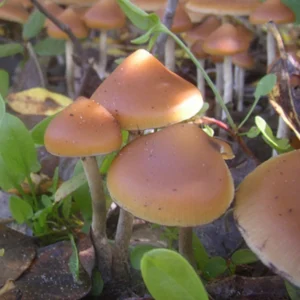 Psilocybe Azurescens
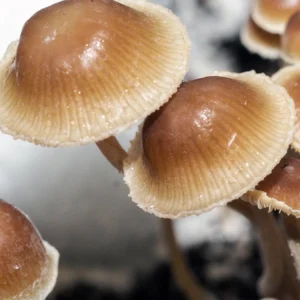 Psilocybe Mexicana
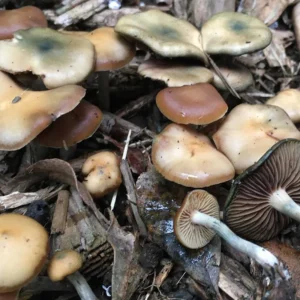 Psilocybe Subaeruginosa
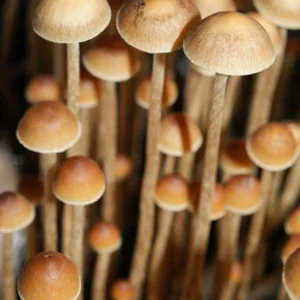 Psilocybe Tampanensis
 MonoBox™ Grow Kit
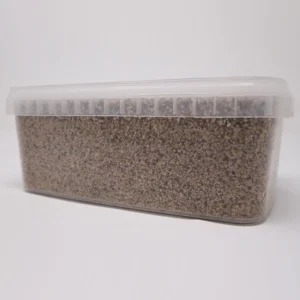 PF-Tek MycoBox Grow Kit
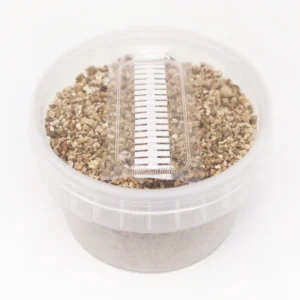 PF-Tek MycoPot Grow Kit (DIY)
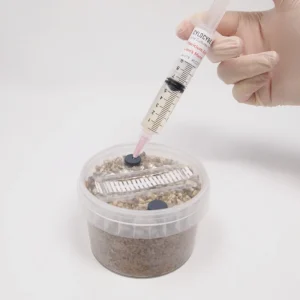 PF-Tek MycoPots Grow Kit
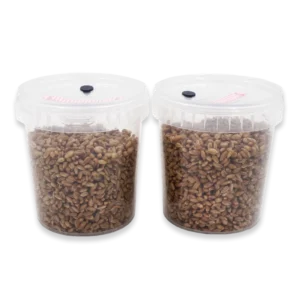 Rye Grain SpawnTubs™ (Sterile)
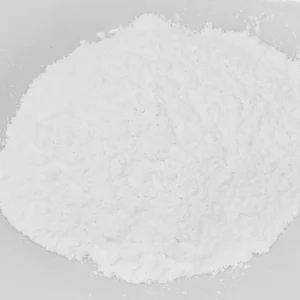 Agricultural Lime (Calcium Carbonate) 1kg
 Brown Rice Flour
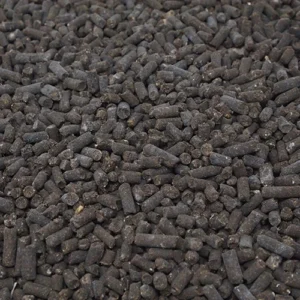 Chicken Manure Pellets (1kg)
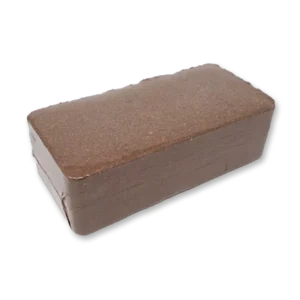 Coco Coir (650g)
 Gypsum (Calcium Sulphate) 3kg
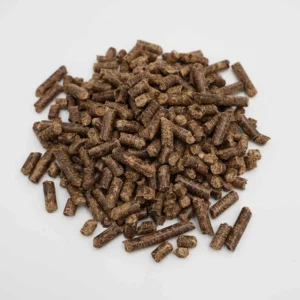 Hardwood Pellets (3kg)
 Perlite (5L)
 Rye Grain (3kg)
 12ml Vials (5)
 3M Breathable Micropore Tape
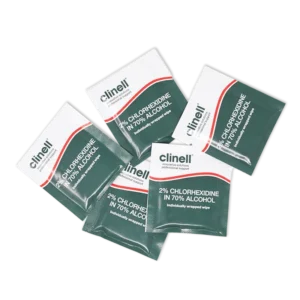 70% IPA Clinell Alcohol Wipes (5)
 CyLab
CyLab
 Kilner 1L Mason Jars (12)
 Sabla™ / Still-air Box (S/M/L/XL)
 Self-Healing Injection Ports (10)
 SporeKit™ Syringe
 Dextrose (100g)
 Light Malt Extract (LME 100g)
 Urea Granules (1kg)
Home / Magic Mushroom Spores / Psilocybe Cubensis / Gulf Coast
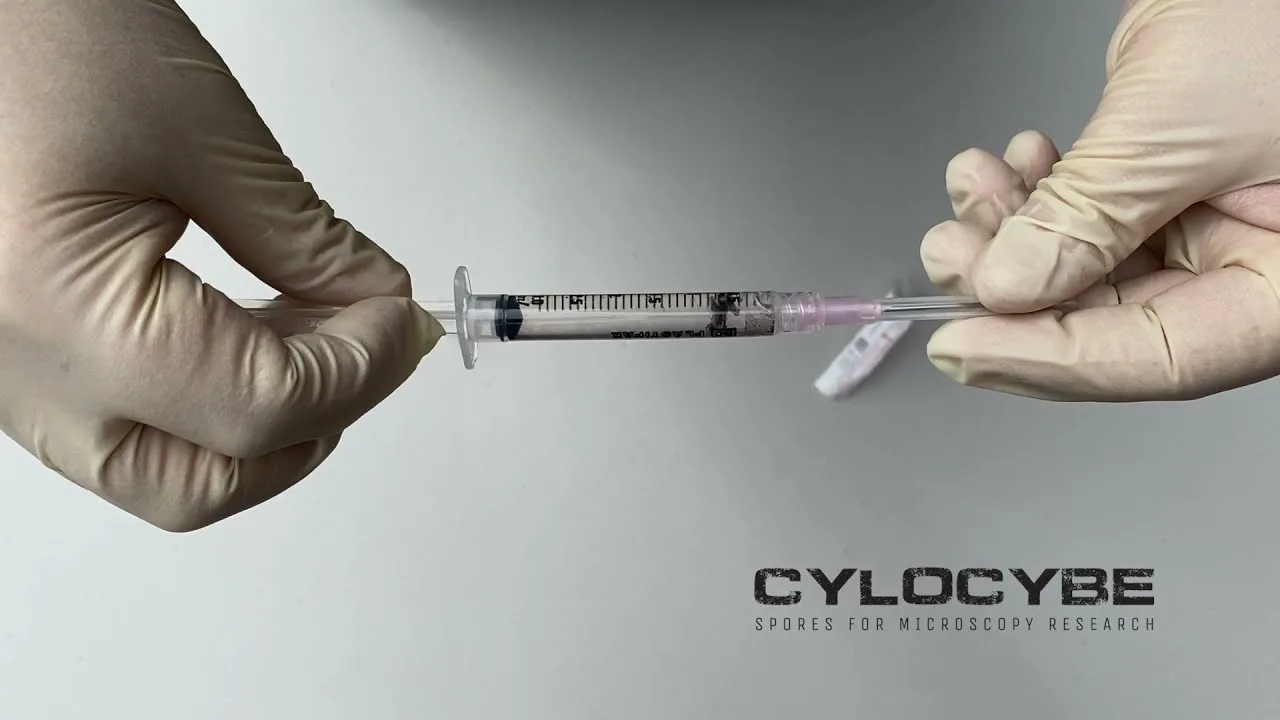
Playing it here streams from YouTube, they then see you're on our site. Click "Watch on YouTube" if you don't want that.
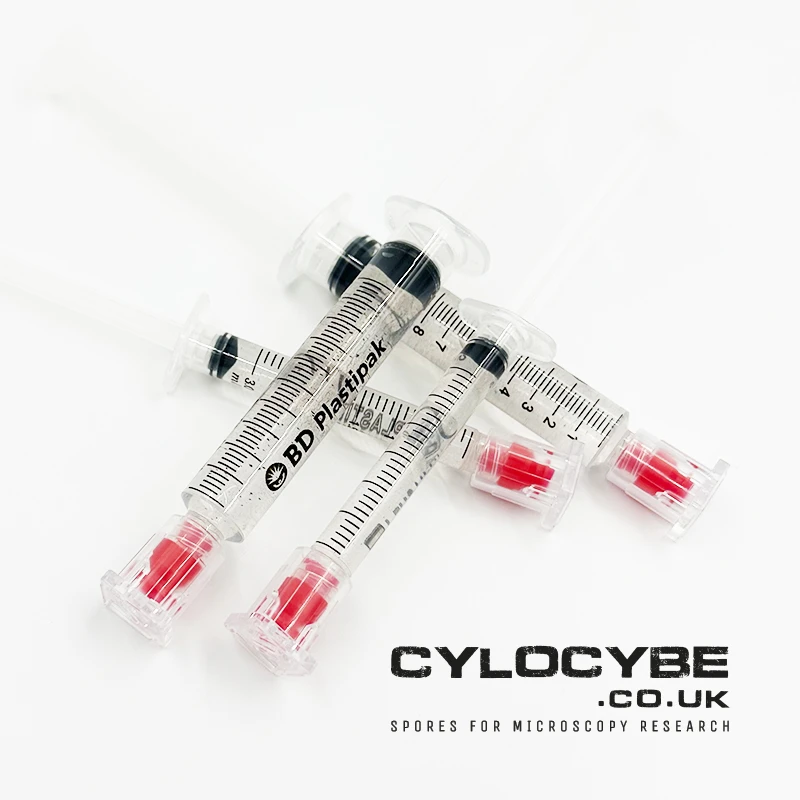
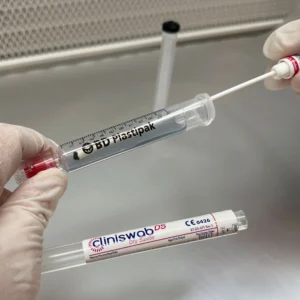
Not demo'd in the video: The plastic break-off component doubles as a screwdriver so you can remove the red cap without getting your grubby fingers anywhere near the exposed syringe opening!
Gulf Coast
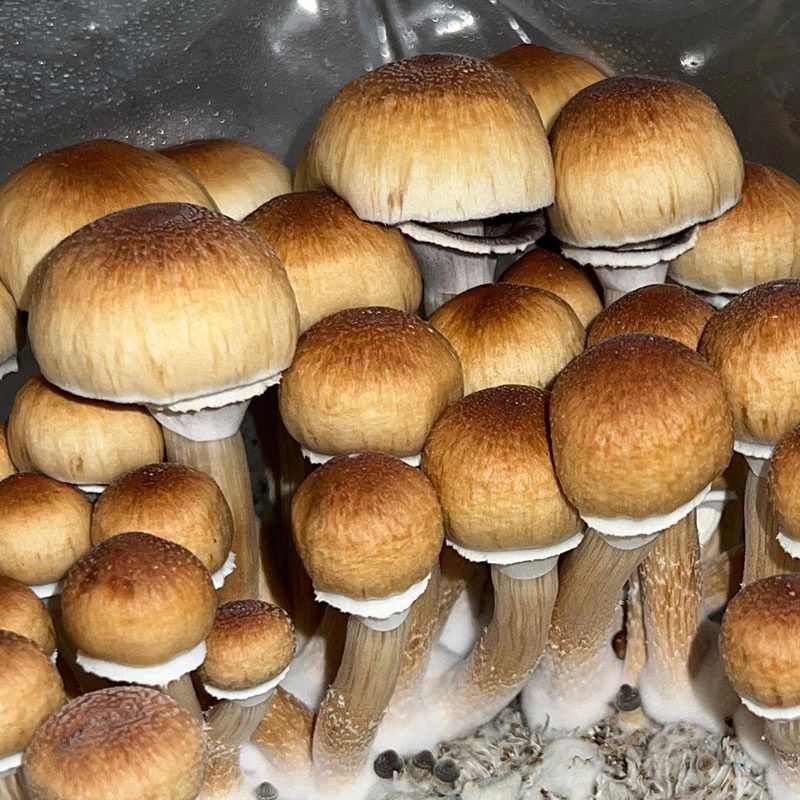
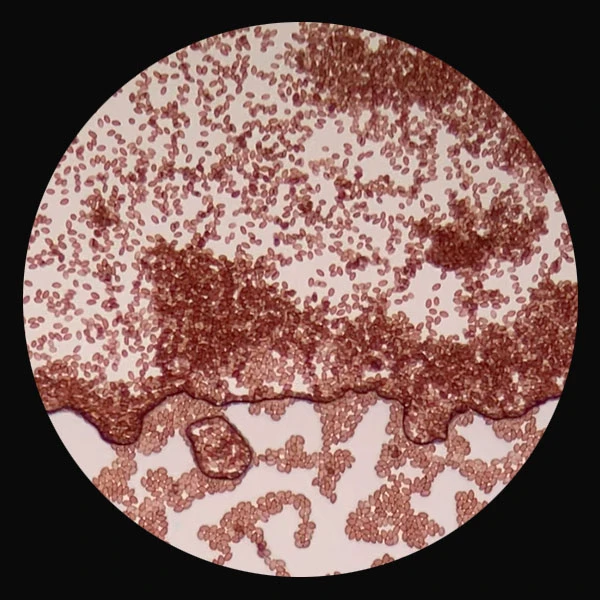
Psilocybe cubensis Gulf Coast mushroom spores sold strictly for microscopy research. Awesome at 600X. No BS prices. Syringes, Vials, Swabs and Prints.
Choose your format
Some formats are out of stock
Want to know the moment it returns?
Usually dispatched same day if paid by 1pm.
What you get
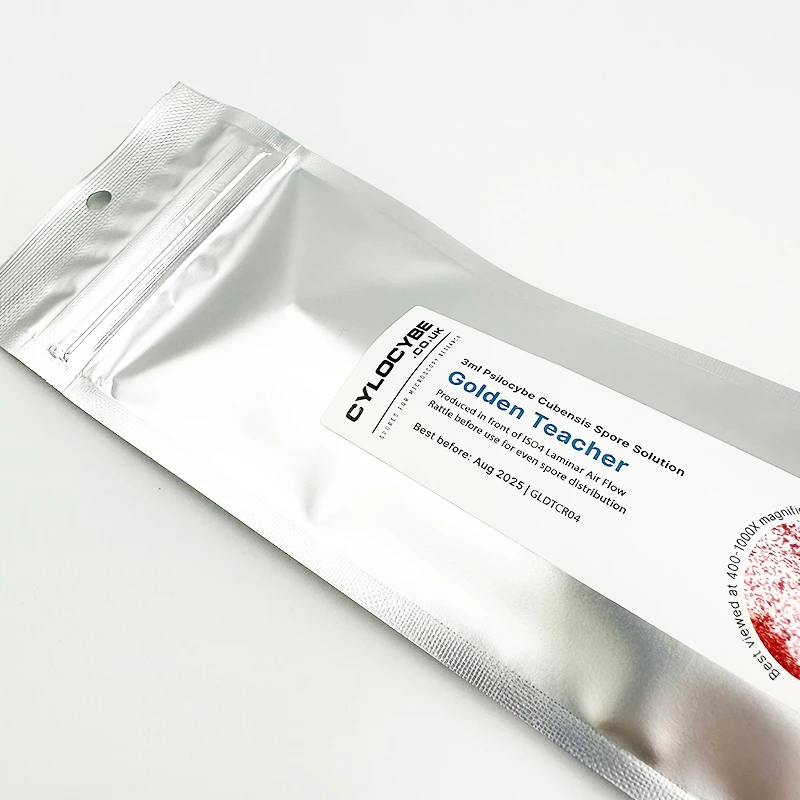
Spore syringe: 1 ml, 3 ml or 12 ml
- Spores suspended in sterile distilled water in a BD Luer-Lok syringe
- Sealed with a sterile, tamper-evident luer-locking cap
- One sterile wrapped 18G (1.2 mm) × 40 mm luer-locking needle
- One sterile 70% isopropyl alcohol / 2% chlorhexidine wipe, for cleaning your slides before dropping spores on to
- Sealed in a light-blocking mylar foil bag, labelled on the outside of the bag
Spore swab
- One sterile swab, swiped across a spore print
- One sterile 70% isopropyl alcohol / 2% chlorhexidine wipe, for cleaning your slides before dropping spores on to
- Sealed in an LDPE tube
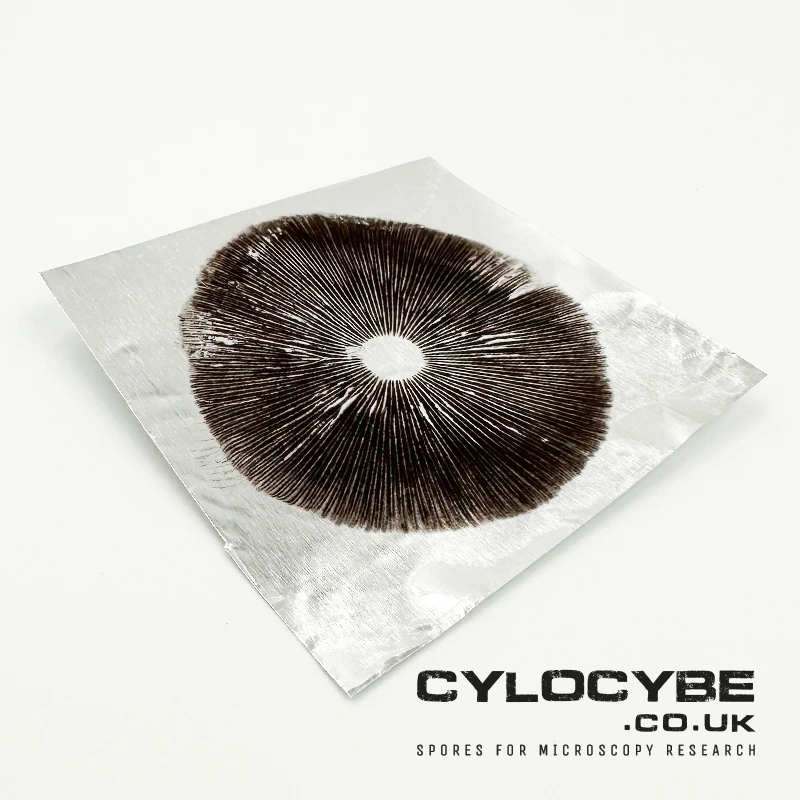
Spore print
- Spores dropped onto sterile foil. Prints vary: some big, some small, some light, some dense.
- One sterile 70% isopropyl alcohol / 2% chlorhexidine wipe, for cleaning your slides before dropping spores on to
- Sealed in a mylar foil bag. Some are fully light-blocking, some have a window so you can see the print.
12 ml spore vial
- Spores suspended in sterile distilled water in a 12 ml borosilicate (Pyrex) glass vial with self-healing rubber injection port
- One sterile wrapped 3 ml BD Luer-Lok syringe
- One sterile wrapped 21G (0.8 mm) × 40 mm luer-locking needle
- One sterile 70% isopropyl alcohol / 2% chlorhexidine wipe, for cleaning your slides before dropping spores on to
- Sealed in a light-blocking mylar foil bag, labelled on the outside of the bag
Coring can happen after around 8 punctures with a 21G needle, so do not pierce in the exact same spot repeatedly. If using a thicker 18G needle (not included), it will start to core after 3 or 4 punctures.
How clean
All of our spore syringes, vials and swabs are produced in lab conditions with spore prints cultivated legally in professional labs. There is no such thing as a sterile spore syringe, we're not promising miracles here - what we do promise is the cleanest we can achieve in our lab from print suppliers we trust the quality of - this is our bread and butter and what we pride ourselves on. Our homepage shows our own setup in greater detail as well as our YouTube channel.
Useful
- The 3 ml and 12 ml syringes are polypropylene. Pressure-cooker safe (if you want to re-use).
- The 1 ml syringes are polycarbonate. Pressure-cooker safe (if you want to re-use).
EZ-Replace™ guarantee
We already cover spore syringes for up to 4 weeks, but this requires you to explain what the issue is and will always be at our discretion whether we replace or not. EZ-Replace™ guarantees an easy replacement for up to 6 weeks, with no questions asked and a self-management portal to let you add the replacement straight to your basket. Cylocybe loves to innovate and try out new concepts from time to time :)
It's an option at checkout, you can choose it or not - up to you.
- 1 ml syringe £1
- 3 ml syringe £2
- 12 ml syringe £4
- 12 ml vial £4.50
- Spore prints and swabs are not covered
You cover the postage on a replacement. Cover cannot be added once you have paid.
Our recommendation: add it, it's worth the price for an EZ life.
Disclaimer:Spores do not contain ANY controlled substances, such as Psilocin or Psilocybin. It should go without saying, but all products on Cylocybe are legal for us to sell under UK law AS LONG as we only sell them to be used legally. We strictly refuse business with anyone who so much as wink winks or jokes about any illegal intentions (we're legally forced, under MDA1971). We wouldn't have survived 9 years as a shop if we sold this for any other purpose than what is stated. When it comes to magic mushrooms, which this species is nicknamed, we have to be cautious not to give the wrong impression - it’s for the microscope only (and we kind of like our freedom). Please respect this.
What customers say
Reviews
We don't pester for reviews at Cylocybe. We don't give freebies or discounts for them either, because it's just gaming the system - Amazon being the prime example of that which we can all agree on.
its too early to say right now, but fingers crossed!