


 B+
B+
 Ban Hua Thai
 Blue Magnolia
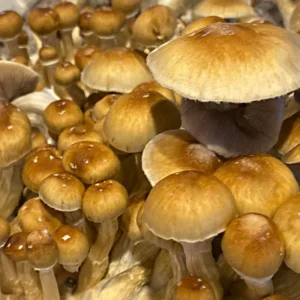 Cambodian
 E4K
E4K
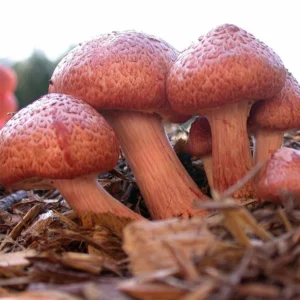
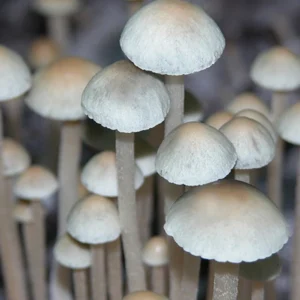 MIB
MIB
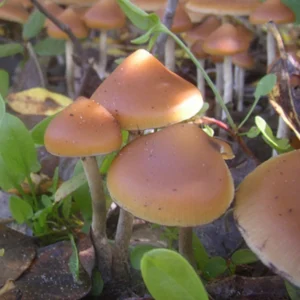 Psilocybe Azurescens
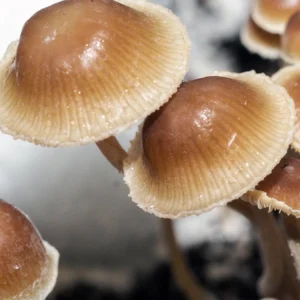 Psilocybe Mexicana
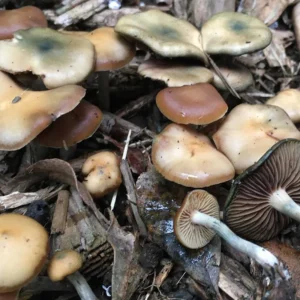 Psilocybe Subaeruginosa
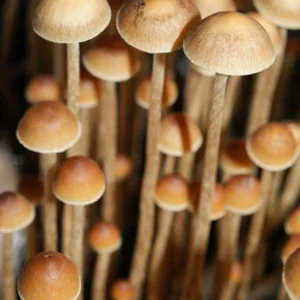 Psilocybe Tampanensis
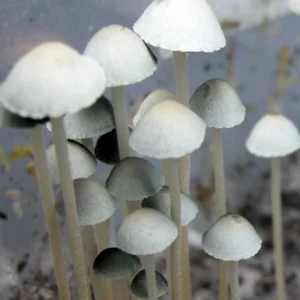
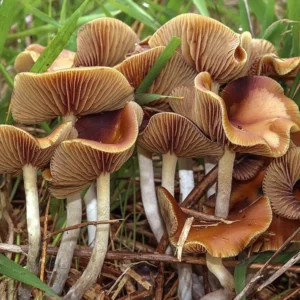
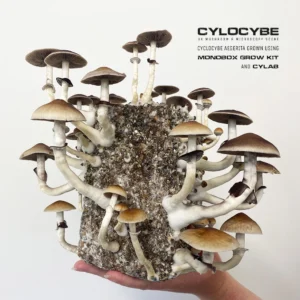
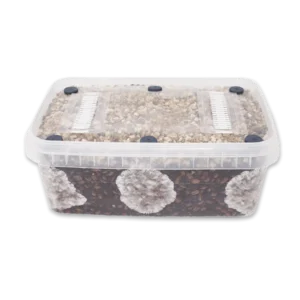 MycoBox Grow Kit
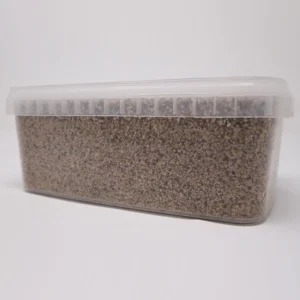 PF-Tek MycoBox Grow Kit
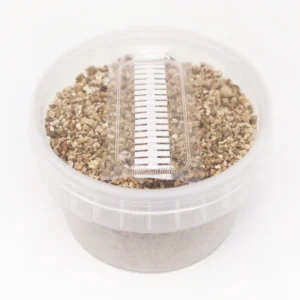 PF-Tek MycoPot Grow Kit (DIY)
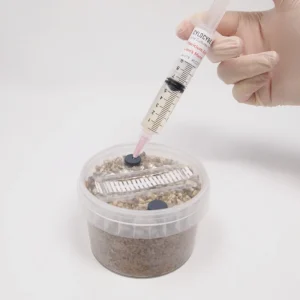 PF-Tek MycoPots Grow Kit
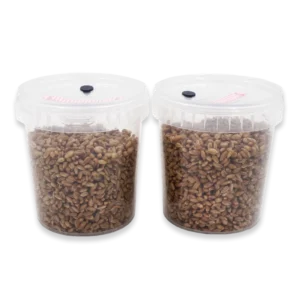 SpawnTubs™
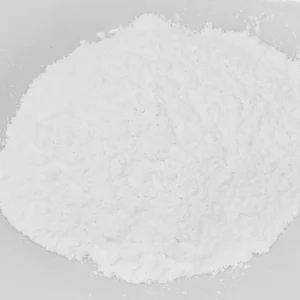
 Brown Rice Flour
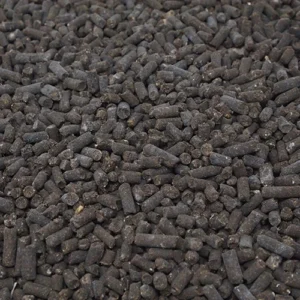 Chicken Manure Pellets (1kg)
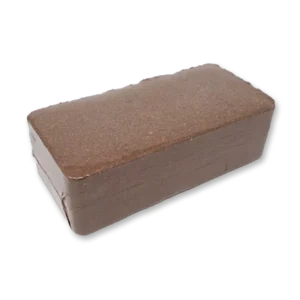 Coco Coir (650g)
 Gypsum (Calcium Sulphate) 3kg
 Hardwood Pellets (3kg)
 Perlite (5L)
 Rye Grain (3kg)
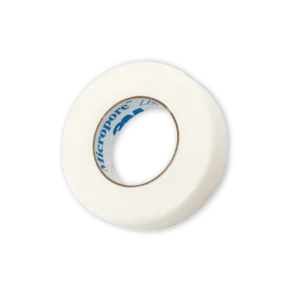 3M Breathable Micropore Tape
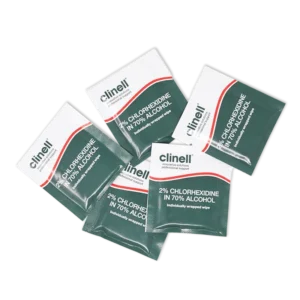 70% IPA Clinell Alcohol Wipes (5)
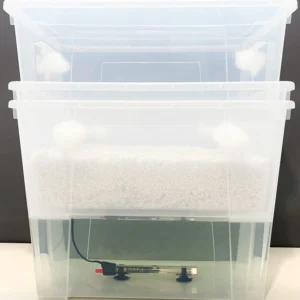 CyLab
CyLab
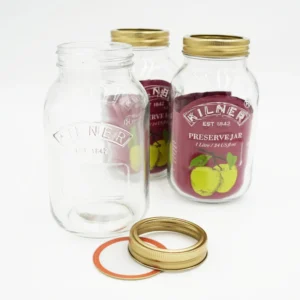 Kilner 1L Mason Jars (12)
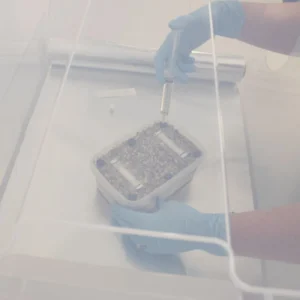 Sabla™ / Still-air Box (S/M/L/XL)
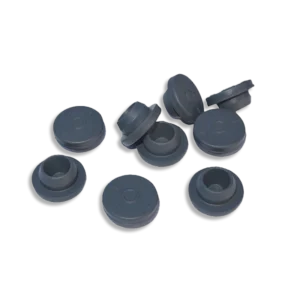 Self-Healing Injection Ports (10)
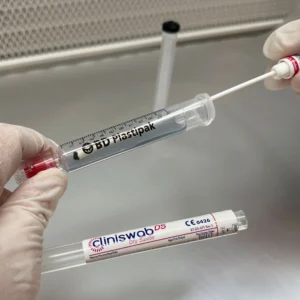 SporeKit™ Syringe

 Dextrose (100g)
 Light Malt Extract (LME 100g)
 Urea Granules (1kg)
Home / Mushroom Cultivation / Liquid Cultures / King Oyster Liquid Culture
 1 / 2
1 / 2
Liquid Cultures
King Oyster Liquid Culture
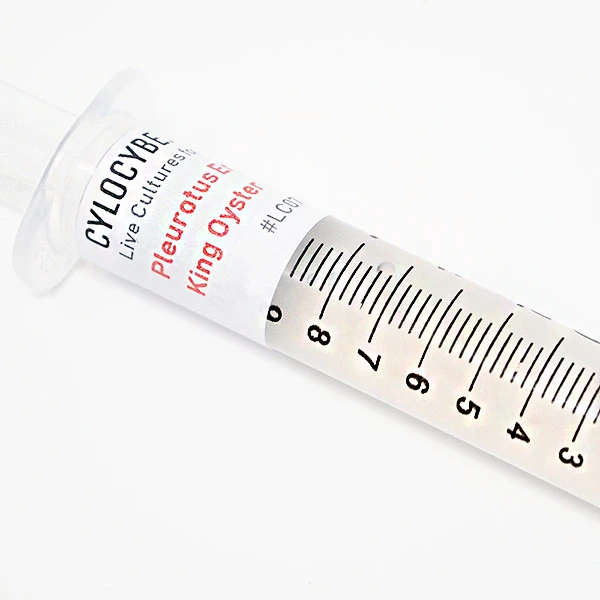
Live King Oyster mycelium suspended in a sterile nutrient broth, ready to inject into grain or agar. A faster, cleaner start than spores, from known genetics.
Out of stock
Out of stock
Want to know the moment it returns?
Sealed syringe with sterile needle. Store cold, use clean.
Active growth, not spores, so colonisation starts sooner :: Pleurotus eryngii :: True-to-type King Oyster, a rewarding gourmet species :: Lab and kitchen ready :: Inject straight into sterilised grain, agar or supplemented sawdust
What it is
A living culture, not spores
Liquid culture is live mushroom mycelium suspended in a sterilised, lightly sweetened broth, usually a 1 to 4 percent sugar solution. The sugar feeds the mycelium so it stays active in the syringe. Lower sugar suits long storage, a little more suits fast growth.
The difference from a spore syringe matters. Spores have to germinate and pair before anything grows, which is slower and less predictable. Liquid culture is already established mycelium of one known strain, so it colonises sooner and stays true to type. A healthy culture looks clear, with clean white wisps or blobs of mycelium drifting in it.
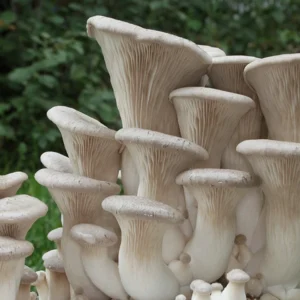
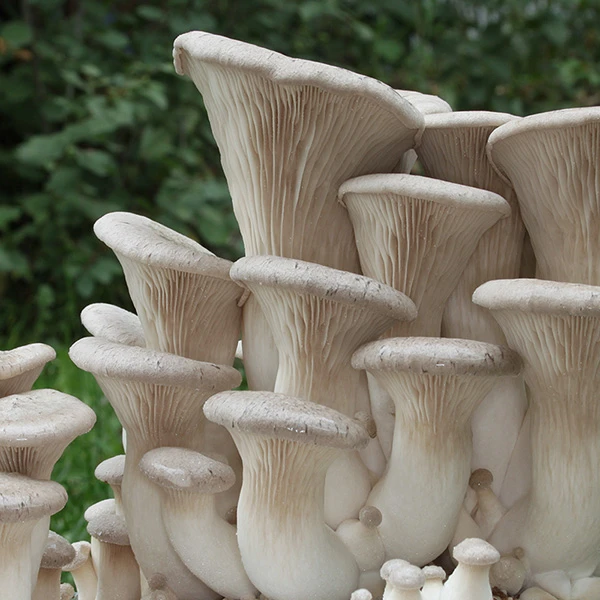
King Oyster (Pleurotus eryngii, also called King Trumpet or Trumpet Royale) is a popular, rewarding gourmet species. It is a little more demanding than standard oyster mushrooms, mainly because it needs cooler fruiting and sterilised substrate, but it is well documented and produces thick, meaty stems with a savoury flavour.
How to use it
Inoculating grain or substrate
Work clean. A still air box or flow hood, freshly gloved hands and a surface wiped with 70 percent alcohol all reduce the chance of contamination. Liquid culture has no natural defence against mould, so technique is everything.
Prepare
Shake the syringe gently to spread the mycelium evenly through the broth. Fit the sterile needle and wipe it with alcohol.
Inject
Pierce the injection port, or an alcohol-wiped spot on your sterilised grain jar or bag. As a rough guide, use 1 to 2 ml per quart grain jar, around 3 to 5 ml per all-in-one bag, or about 10 ml for a 2.3 kg grain bag. Never inject through the filter patch.
Seal and incubate
Cover the injection point with fresh micropore tape. Keep the container in the dark at around 24C while the mycelium spreads. Once growth shows, shaking grain helps it colonise more evenly.
Fruit
King Oyster fruits cooler than it colonises, around 15 to 18C on supplemented hardwood sawdust. A drop to this temperature, along with high humidity near 85 to 90 percent, helps trigger pins. Hold back on fresh air until pins set, then increase it as the fruits develop. Because the substrate carries added nutrition such as wheat bran, it must be sterilised, not just pasteurised.
Mushrooms inherit their growing habits from the substrate and conditions, not just the culture. Get colonisation temperature, the cooler fruiting shift, humidity and air right, and King Oyster rewards the care.
Storage
Keep it cold, never frozen
Store the syringe in the fridge, ideally between 2 and 8C. Do not freeze it, as freezing kills the mycelium. Kept cold, a liquid culture stays viable for roughly 3 to 6 months, and often longer, though sooner is better.
After the fridge, let it sit at room temperature for a day or two before use so the mycelium becomes active again. Discard any syringe that turns cloudy, smells sour or shows colour other than clean white growth.
| Species | Pleurotus eryngii (King Oyster) |
|---|---|
| Form | Live mycelium in sterile nutrient broth |
| Use on | Sterilised grain, agar, supplemented hardwood |
| Colonisation | Around 24C, in the dark |
| Fruiting | Around 15 to 18C, high humidity |
| Storage | Fridge 2 to 8C, do not freeze |
What it is not
Read before buying
This is a culture for legal gourmet cultivation and microscopy. It is not a ready-to-eat product and not a grow kit. You supply the sterile grain or substrate, the clean working space and the fruiting conditions.
Only eat mushrooms you have grown and identified with certainty, and always cook King Oyster thoroughly. If you are new to sterile work, expect a few contaminated jars while you learn. That is normal.
What customers say
Reviews
Unfortunately these could not be delivered due to an issue with the supply. However, the team made me aware of this in good time and did everything they could to make up for it. This included a refund and they say they will deliver free of charge when it is available.
Supplied for microscopy and legal gourmet mushroom cultivation in the UK. Grow and identify with certainty, and cook before eating.