



 B+
B+
 Ban Hua Thai
 Blue Magnolia
 Cambodian
 E4K
E4K

 MIB
MIB
 Psilocybe Azurescens
 Psilocybe Mexicana
 Psilocybe Subaeruginosa
 Psilocybe Tampanensis


 MonoBox™ Grow Kit
 PF-Tek MycoBox Grow Kit
 PF-Tek MycoPot Grow Kit (DIY)
 PF-Tek MycoPots Grow Kit
 Rye Grain SpawnTubs™ (Sterile)


 Agricultural Lime (Calcium Carbonate) 1kg
 Brown Rice Flour
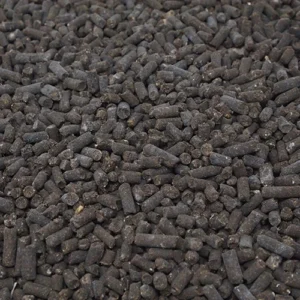 Chicken Manure Pellets (1kg)
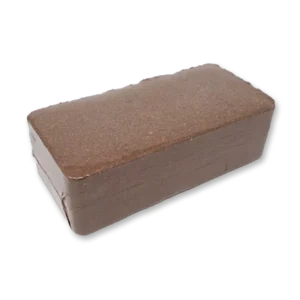 Coco Coir (650g)
 Gypsum (Calcium Sulphate) 3kg
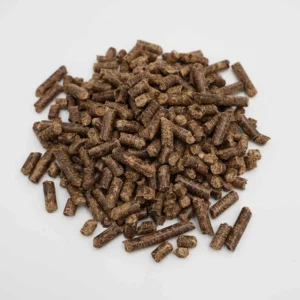 Hardwood Pellets (3kg)
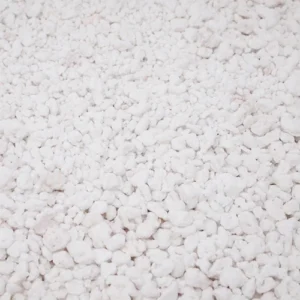 Perlite (5L)
 Rye Grain (3kg)

 12ml Vials (5)
 3M Breathable Micropore Tape
 70% IPA Clinell Alcohol Wipes (5)
 CyLab
CyLab
 Kilner 1L Mason Jars (12)
 Sabla™ / Still-air Box (S/M/L/XL)
 Self-Healing Injection Ports (10)
 SporeKit™ Syringe

 Dextrose (100g)
 Light Malt Extract (LME 100g)
 Urea Granules (1kg)
Home / Mushroom Cultivation / Spawn & Substrates / Agricultural Lime (Calcium Carbonate) 1kg
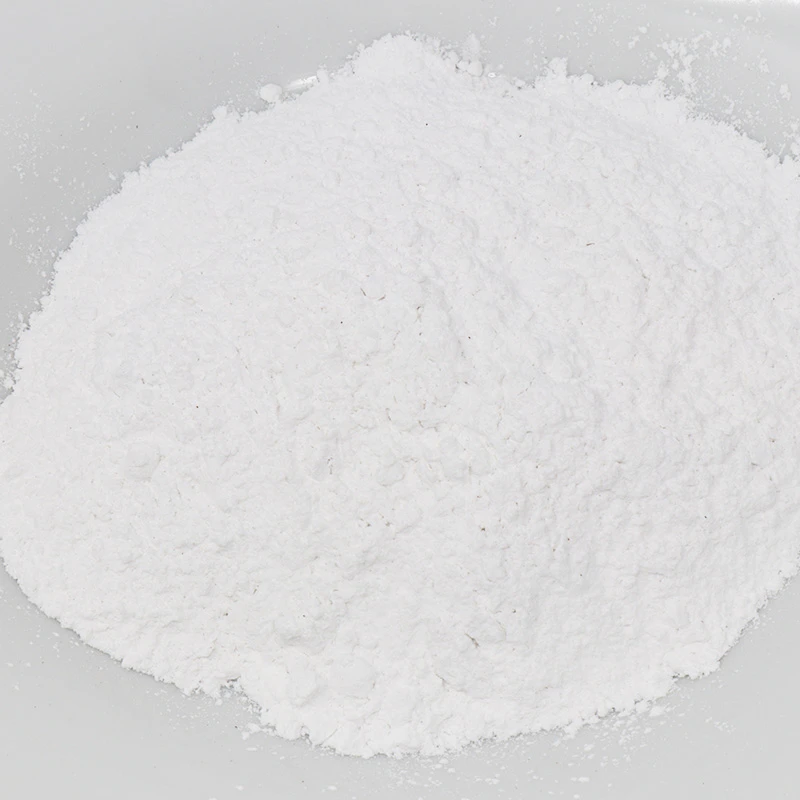
Agricultural Lime (Calcium Carbonate) 1kg
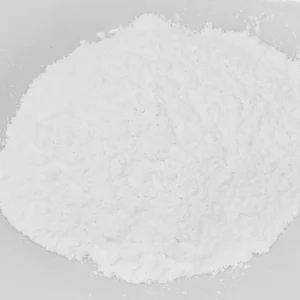
Agricultural lime is finely milled calcium carbonate (ground limestone or chalk). In mushroom growing it does one main job: it acts as a slow, mild pH buffer. It holds a casing layer or bulk substrate steady as the mycelium grows and naturally turns the mix more acidic.
It is not the same as hydrated lime, and it is not gypsum. Calcium carbonate is barely soluble in water and settles the mix to a little above neutral, around pH 8, rather than spiking it. That makes it very hard to overdose. Typical use is roughly 2 to 3 percent by wet weight in a casing mix and around 1 to 2 percent of dry weight in a bulk substrate.
Finely milled calcium carbonate. A gentle, slow pH buffer that holds your casing and bulk mixes steady and adds calcium, without the caustic bite of hydrated lime.
Material: Calcium carbonate (CaCO3), calcitic, finely milled
Role: Slow pH buffer and calcium source
Buffers to: A little above neutral, around pH 8
Casing rate: About 2 to 3 percent by wet weight (roughly 20 to 30 g per kg)
Substrate rate: About 1 to 2 percent of dry weight
Pack: 1 kg resealable pouch
Hazard class: Not classified as hazardous
What agricultural lime actually is
Agricultural lime is calcium carbonate (CaCO3), the same compound as chalk, limestone, marble and eggshell. Ours is calcitic lime, milled to a fine powder so it mixes evenly through peat, coco and bulk substrates. It is not dolomitic lime, which also carries magnesium and acts more slowly.
The important point is that calcium carbonate is a buffer, not a fast pH raiser. It is barely soluble in water, so it dissolves only as acids build up and reacts with them as it goes. That holds the pH steady rather than pushing it up in one jump, and it settles a wet mix to a little above neutral, around pH 8. That is why it is hard to overdo, and why it keeps working over the life of a mix, unlike hydrated lime which acts fast and then fades as it reverts to carbonate.
Using it in casing and bulk mixes
Add the lime as a dry powder and mix it through thoroughly. For a bulk substrate, weigh by the dry weight of the material. For a casing layer, the usual figure is given by the wet weight of the finished casing.
1
Weigh your material
For a bulk substrate, work from the dry weight of your peat, coco or substrate. For a casing layer, work from the wet weight of the made-up casing. This keeps the percentage accurate.
2
Add the lime
For a casing layer, use about 2 to 3 percent by wet weight of the casing, which is roughly 20 to 30 g per kg of made-up casing. For a bulk substrate, around 1 to 2 percent of dry weight is typical.
3
Mix it in, then hydrate
Blend the powder evenly through the material first, then bring it to field capacity with water and pasteurise or prepare as normal.
Because calcium carbonate buffers rather than spikes the pH, there is a wide safe margin. If you are unsure, start at the lower end of the range. A little extra will not burn mycelium the way hydrated lime can.
What this is not
This is not hydrated lime (calcium hydroxide). Hydrated lime takes a wet mix to around pH 12.4 and is used to swing pH up fast or to knock back mould on a casing or substrate. It is caustic and easy to overdose. Calcium carbonate will not reach those numbers, so do not reach for it when you want a high pH to suppress contaminants. It is the gentle, long term buffer instead.
It is also not gypsum (calcium sulphate). Gypsum adds calcium and sulphur and helps stop grain spawn clumping, but it is pH neutral and does not buffer. The two are often confused. If you want pH buffering, use this lime. If you want to keep grain loose, use gypsum. Some growers use both, for different reasons.
Storage and handling
Calcium carbonate is not classified as a hazardous substance and is non-toxic in normal handling. The only real caution is dust. Fine powder can mildly irritate the eyes and airways, so mix it in a ventilated space and avoid breathing the dust. A simple dust mask is sensible if you are working with a lot at once.
Keep the pouch sealed in a cool, dry place. Kept dry it does not go off. Keep it away from strong acids, which react with it and release carbon dioxide.