


 B+
B+
 Ban Hua Thai
 Blue Magnolia
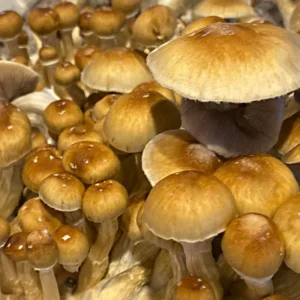 Cambodian
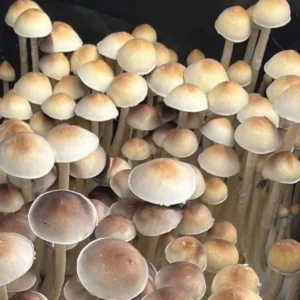 E4K
E4K
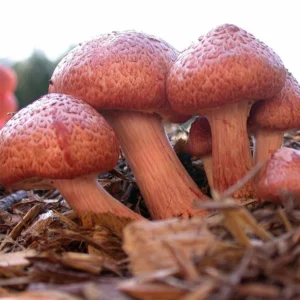
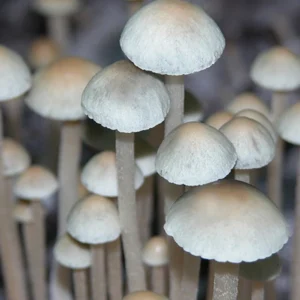 MIB
MIB
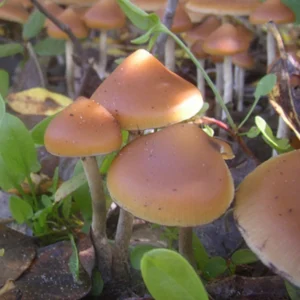 Psilocybe Azurescens
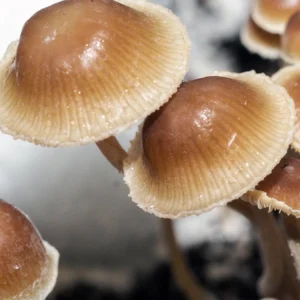 Psilocybe Mexicana
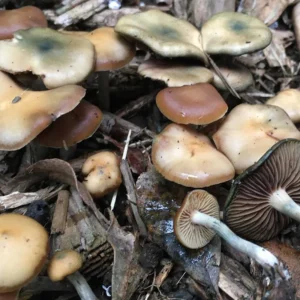 Psilocybe Subaeruginosa
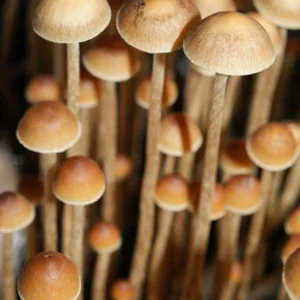 Psilocybe Tampanensis
 MonoBox™ Grow Kit
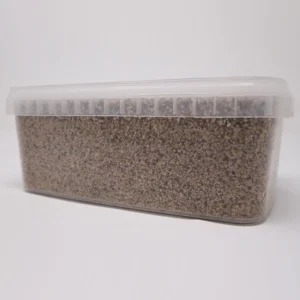 PF-Tek MycoBox Grow Kit
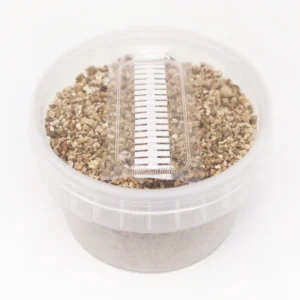 PF-Tek MycoPot Grow Kit (DIY)
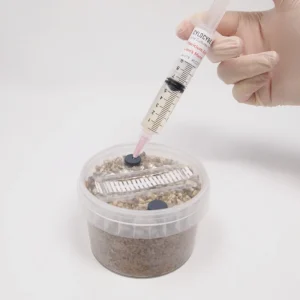 PF-Tek MycoPots Grow Kit
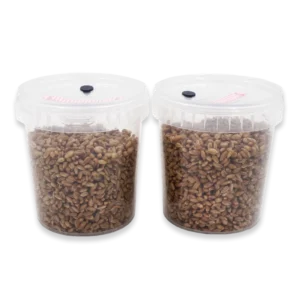 Rye Grain SpawnTubs™ (Sterile)
 Agricultural Lime (Calcium Carbonate) 1kg
 Brown Rice Flour
 Chicken Manure Pellets (1kg)
 Coco Coir (650g)
 Gypsum (Calcium Sulphate) 3kg
 Hardwood Pellets (3kg)
 Perlite (5L)
 Rye Grain (3kg)
 12ml Vials (5)
 3M Breathable Micropore Tape
 70% IPA Clinell Alcohol Wipes (5)
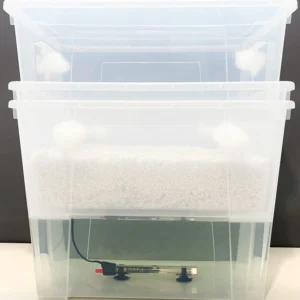 CyLab
CyLab
 Kilner 1L Mason Jars (12)
 Sabla™ / Still-air Box (S/M/L/XL)
 Self-Healing Injection Ports (10)
 SporeKit™ Syringe
 Dextrose (100g)
 Light Malt Extract (LME 100g)
 Urea Granules (1kg)
Home / Mushroom Cultivation / Additives & Chemicals / Glycerine (130ml)

Glycerine (130ml)
Glycerine, also called glycerol, is a clear, thick, faintly sweet liquid. The bottle we supply is USP food grade at a minimum of 99.5 percent purity, the same grade used in food and cosmetics.
In mushroom work its main use is as a cryoprotectant. Mixed into a culture and frozen, it cuts the ice crystals that would otherwise rupture cells, so mycelium and spores survive long-term cold storage. It is also a humectant, meaning it holds moisture, which can help keep a suspension even.
Food grade glycerine for the lab. Its main job in mushroom work is as a cryoprotectant, so you can freeze mycelium and spores without ice damage killing them. Supplied in a 130mL bottle.
Grade: USP food grade, min 99.5 percent
Main use: Cryoprotectant for frozen stocks
Typical freezing strength: 10 percent final, range 10 to 25
Volume: 130mL
Hazard: Low, non-toxic, combustible not flammable
What glycerine is
Glycerine (glycerol, E422) is a simple sugar alcohol. It is a clear, odourless, syrupy liquid with a faintly sweet taste. Our bottle is USP food grade at a minimum of 99.5 percent purity, plant derived.
It is hygroscopic, which means it pulls water out of the air and holds it. That single property explains most of what it does in the lab. It protects cells during freezing and it keeps watery mixtures from drying out.
Using glycerine to freeze cultures
The most common and best supported use is as a cryoprotectant for long-term storage of mycelium and spores in a freezer. You make up a sterile glycerine and water solution, mix your culture into it, and freeze it. The glycerine reduces the ice damage that would otherwise kill the cells.
1
Make a stock solution
Mix glycerine with water and sterilise it. A 10 percent final glycerine concentration is the figure ATCC gives for filamentous fungi. Many lab protocols use anywhere from 10 to 25 percent. Pick one figure and keep to it.
2
Add your culture
Suspend scraped mycelium, agar plugs or a spore sample into the glycerine solution in a clean vial. ATCC uses three or four agar plugs in about 0.4mL of 10 percent glycerine per vial. Work cleanly, since the vial goes into long storage.
3
Freeze and label
Cap, label with strain and date, and freeze. A normal home freezer holds short to medium term stocks. Colder storage at minus 80 degrees or in liquid nitrogen vapour keeps cultures viable for years. To revive a vial, thaw it quickly, for example in a warm water bath at about 37 degrees, then transfer to fresh media.
Glycerine is mildly toxic to cells over time, so do not let a culture sit in the solution for long before freezing, and avoid thawing and refreezing the same vial. As a humectant, a small amount in a spore or culture suspension can help hold the contents together and slow drying, but treat any percentage you read online for syringes or liquid culture as a starting point to test, not a fixed rule, as these uses are far less well documented than freezing.
Specification
| Chemical name | Glycerine / glycerol (E422) |
|---|---|
| CAS number | 56-81-5 |
| Grade | USP food grade |
| Purity | Minimum 99.5 percent |
| Source | Plant derived |
| Appearance | Clear, colourless, viscous liquid |
| Volume | 130mL |
Storage and safety
Glycerine is a low hazard material. It is non-toxic by skin contact and by ingestion in normal amounts, which is why it is used in food and cosmetics, and the FDA lists it as generally recognised as safe. It is not a flammable liquid. Its flash point is around 160 degrees, so it is combustible only under strong heat. Keep it away from open flame and high heat.
Store the bottle tightly closed in a cool, dry place. Because glycerine draws in water from the air, leaving it open will dilute it over time, so close the cap after use. Keep out of reach of children.
What glycerine does not do
Glycerine is not a sterilant or a disinfectant. It does not kill contamination and will not clean your work area, so it is no substitute for proper sterile technique, a pressure cooker or a flow hood.
It is not a nutrient source for a normal grain or fruiting grow, and it is not needed for a standard kit. Its value is specific. It protects cells through freezing and holds moisture in a suspension. If you are not freezing cultures, you may not need it at all.