



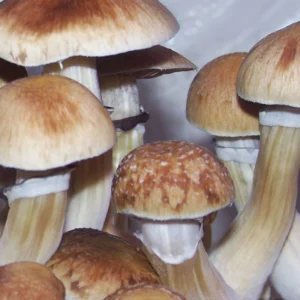
 B+
B+
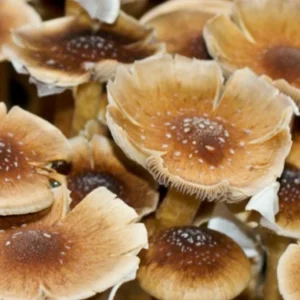 Ban Hua Thai
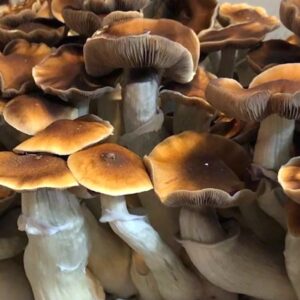 Blue Magnolia
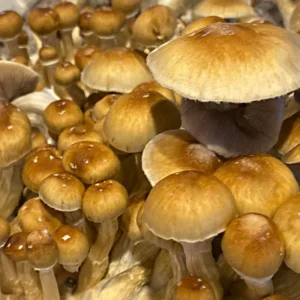 Cambodian
 E4K
E4K
 MIB
MIB
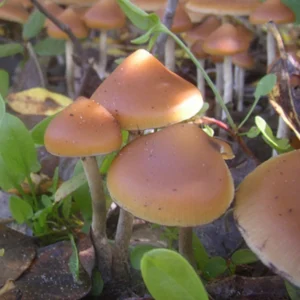 Psilocybe Azurescens
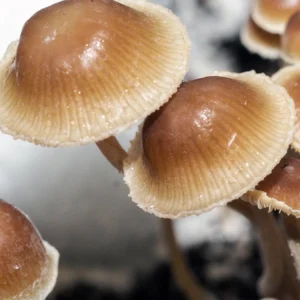 Psilocybe Mexicana
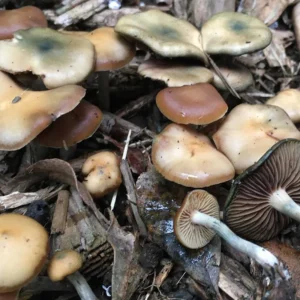 Psilocybe Subaeruginosa
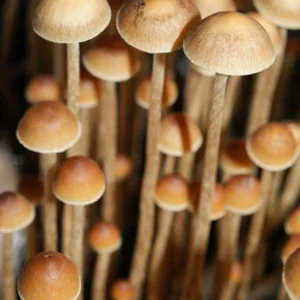 Psilocybe Tampanensis
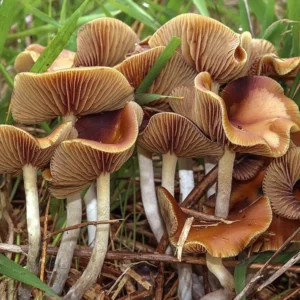
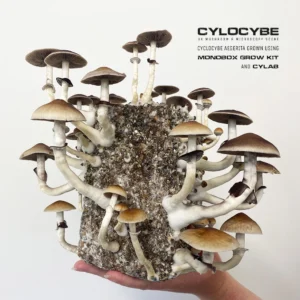
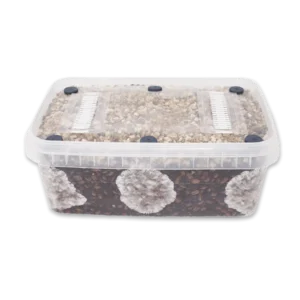 MycoBox Grow Kit
 PF-Tek MycoBox Grow Kit
 PF-Tek MycoPot Grow Kit (DIY)
 PF-Tek MycoPots Grow Kit
 SpawnTubs™

 Brown Rice Flour
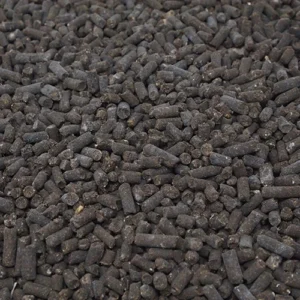 Chicken Manure Pellets (1kg)
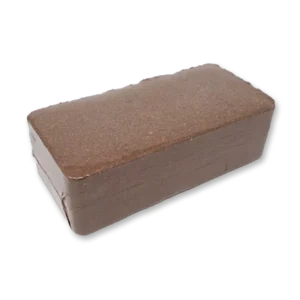 Coco Coir (650g)
 Gypsum (Calcium Sulphate) 3kg
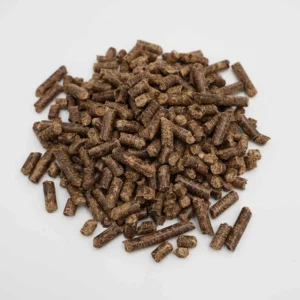 Hardwood Pellets (3kg)
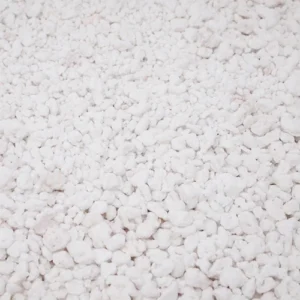 Perlite (5L)
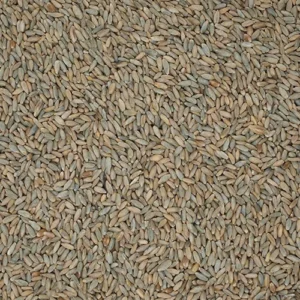 Rye Grain (3kg)
 3M Breathable Micropore Tape
 70% IPA Clinell Alcohol Wipes (5)
 CyLab
CyLab
 Kilner 1L Mason Jars (12)
 Sabla™ / Still-air Box (S/M/L/XL)
 Self-Healing Injection Ports (10)
 SporeKit™ Syringe

 Dextrose (100g)
 Light Malt Extract (LME 100g)
 Urea Granules (1kg)
Home / Mushroom Cultivation / Spawn & Substrates / Rye Grain (3kg)
Spawn & Substrates
Rye Grain (3kg)
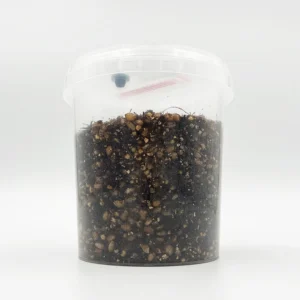
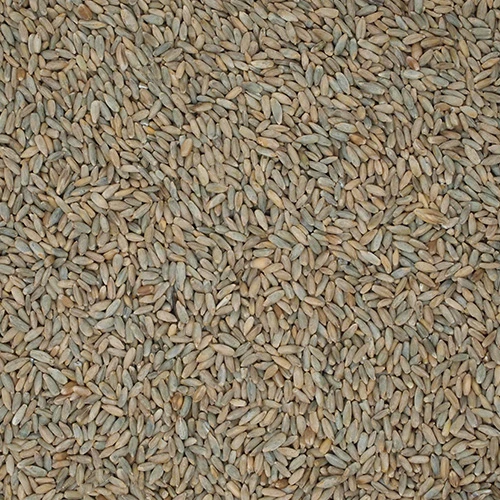
Cleaned whole rye grain for making mushroom spawn. It holds water well, carries the nutrients mycelium needs, and the grains stay separate after sterilising so you can shake the jar to spread growth.
Sold as dry grain. You hydrate and sterilise it yourself.
Cleaned cereal grain, no additives, you control the prep
Soaks to field capacity for steady colonisation
Spreads mycelium evenly through the jar or bag
WHAT IT IS
Why growers use rye for spawn
Rye is the most common grain for mushroom spawn because it absorbs and holds water well, carries useful nutrients, and most mushroom mycelium grows through it readily. Rye holds roughly 2.3 percent nitrogen on a dry weight basis, which supports vigorous early growth.
The grains stay separate after sterilising, so once colonisation is under way you can shake the container and spread the mycelium across the grain. Each colonised grain then acts as a starting point when you mix the spawn into a larger substrate.
HOW TO USE IT
Preparing rye grain spawn
The aim is grain hydrated to about field capacity, meaning the kernel is full of water but the outside is dry to the touch. Target moisture sits around 50 to 54 percent. As a rough check, 1 kg of dry rye comes out at roughly 1.9 kg once correctly hydrated.
Rinse and soak
Rinse the grain to remove dust and debris. Cover with water and soak for 12 to 24 hours so the kernels take up moisture before cooking.
Simmer briefly
Drain, add fresh water, bring to a boil and simmer for about 15 to 20 minutes. The grains should be hydrated but not split open.
Drain to touch-dry
Strain and let the grain steam off until the surface is dry to the touch while the inside stays moist. A simple check: grains placed on dry paper should leave no wet marks.
Load and sterilise
Fill jars or filter bags and sterilise in a pressure cooker at 15 psi. Allow about 90 minutes to 2 hours at pressure for grain, longer for large bags, and let it cool naturally before opening.
Inoculate and run
Once cool, add your culture using clean technique. Leave the jar undisturbed until you see solid white growth from the inoculation points, then shake once to spread it. When fully run, break it up and mix into bulk substrate, commonly at around 1 part spawn to 2 to 5 parts substrate.
Getting moisture right is the main thing. Too dry and the mycelium stalls; too wet and the kernels split during sterilising, which clumps the grain, cuts air exchange and invites contamination.
| Grain | Whole rye |
|---|---|
| Target moisture | About 50 to 54 percent (field capacity) |
| Soak | 12 to 24 hours |
| Simmer | About 15 to 20 minutes |
| Sterilise | 15 psi, about 90 minutes to 2 hours |
| Spawn ratio | Commonly 1:2 to 1:5 into bulk substrate |
STORAGE AND WHAT IT IS NOT FOR
Keeping it, and where it stops
Store the dry grain in a cool, dry place away from damp and pests until you prepare it. Hydrated and sterilised grain should be used promptly; colonised spawn can be held cool for a while before mixing into substrate.
This is the spawn-making stage only. Rye grain is not a finished fruiting substrate on its own, and it is not a casing layer. It is the carrier you colonise first, then add to bulk for fruiting.
Sources
Supplied for legal gourmet mushroom cultivation and microscopy use. You are responsible for the cultures you choose to grow.