



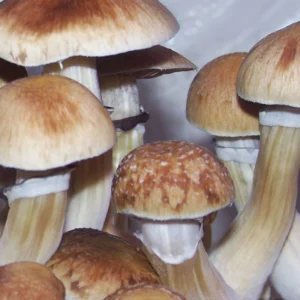
 B+
B+
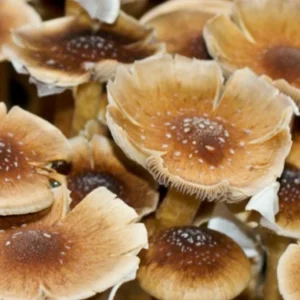 Ban Hua Thai
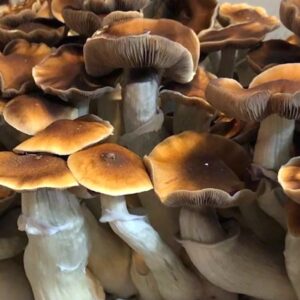 Blue Magnolia
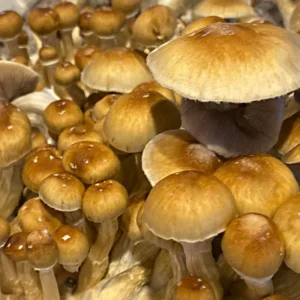 Cambodian
 E4K
E4K
 MIB
MIB
 Psilocybe Azurescens
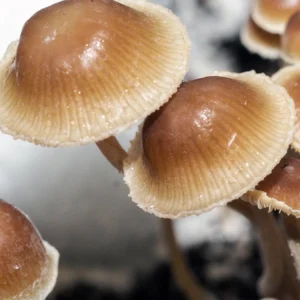 Psilocybe Mexicana
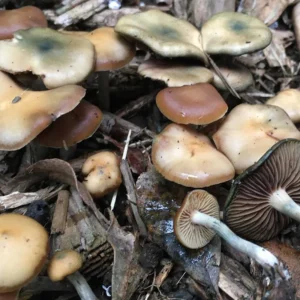 Psilocybe Subaeruginosa
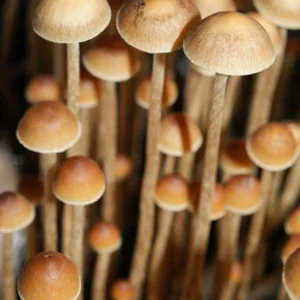 Psilocybe Tampanensis
 MycoBox Grow Kit
 PF-Tek MycoBox Grow Kit
 PF-Tek MycoPot Grow Kit (DIY)
 PF-Tek MycoPots Grow Kit
 Rye Grain SpawnTubs™ (Sterile)
 Agricultural Lime (Calcium Carbonate) 1kg
 Brown Rice Flour
 Chicken Manure Pellets (1kg)
 Coco Coir (650g)
 Gypsum (Calcium Sulphate) 3kg
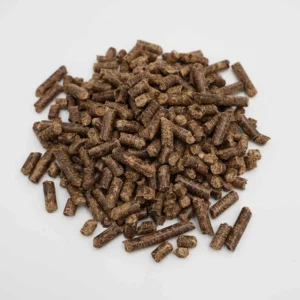 Hardwood Pellets (3kg)
 Perlite (5L)
 Rye Grain (3kg)
 12ml Vials (5)
 3M Breathable Micropore Tape
 70% IPA Clinell Alcohol Wipes (5)
 CyLab
CyLab
 Kilner 1L Mason Jars (12)
 Sabla™ / Still-air Box (S/M/L/XL)
 Self-Healing Injection Ports (10)
 SporeKit™ Syringe

 Dextrose (100g)
 Light Malt Extract (LME 100g)
 Urea Granules (1kg)
Home / Mushroom Cultivation / Spawn & Substrates / King Oyster SpawnJar™
 1 / 2
1 / 2
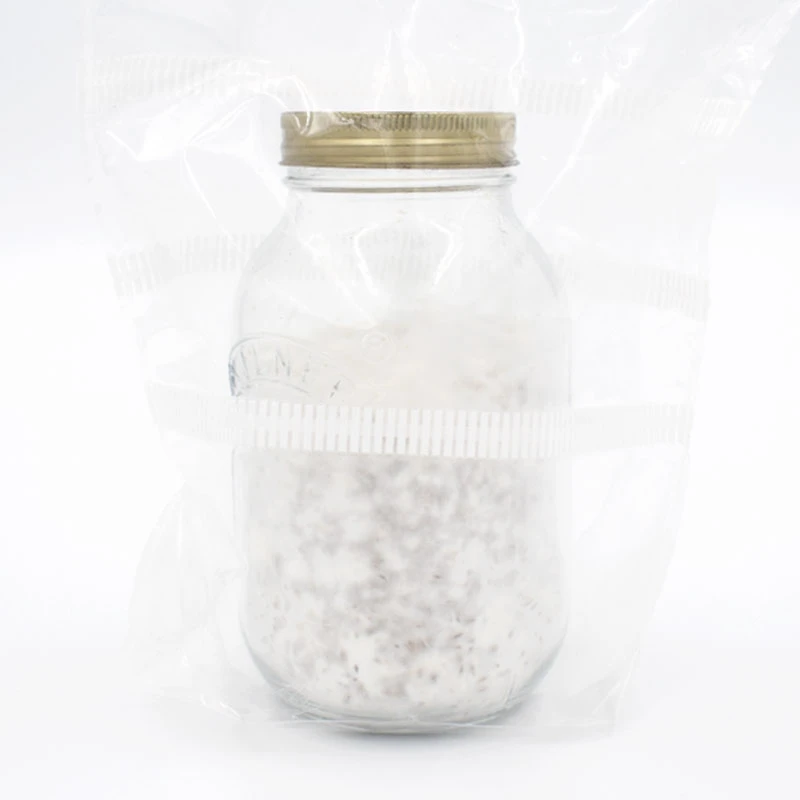
King Oyster SpawnJar™
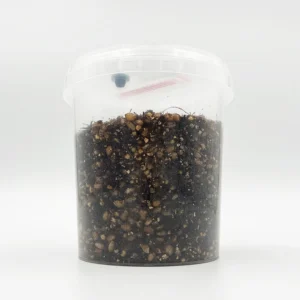
This is grain spawn, not a grow kit. Sterilised rye grain in a jar, fully colonised by live King Oyster (Pleurotus eryngii) mycelium and sealed under a self-healing port.
You use it to inoculate your own sterilised bulk substrate, so the mycelium spreads from the grain into a much larger block, then fruits. It is the grain stage of a cultivation run, prepared and colonised for you.
A jar of sterile rye grain fully run through with live King Oyster mycelium, ready to mix into your own bulk substrate. The colonised middle step, done for you.
Out of stock
Out of stock
Want to know the moment it returns?
Species: Pleurotus eryngii (King Oyster)
Grain: Sterilised rye
Colonise at: About 21 to 24C
Fruit at: About 12 to 18C, ideally 15 to 18C
Spawn rate: About 1:6 to 1:8 by weight (roughly 12 to 17 percent); trials show around 5 percent also works well
Use within: About 2 to 4 weeks, refrigerated
Colonised grain spawn in a jar
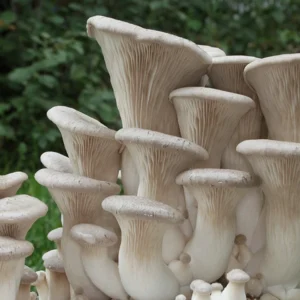
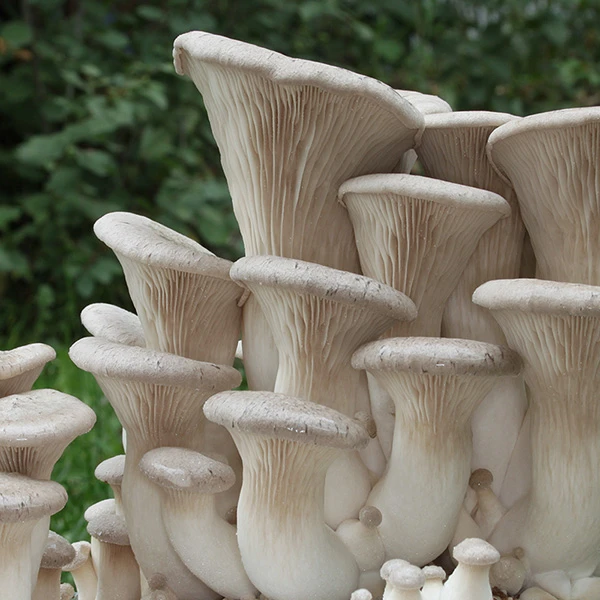
Pleurotus eryngii is the King Oyster, also sold as King Trumpet, King Brown or Trumpet Royale. It is a large oyster with a thick dense stem and a firm meaty texture, native to Europe, the Middle East and North Africa, and widely cultivated in Asia. It is one of the more demanding oysters to grow because it wants a supplemented sawdust substrate and cool, steady fruiting conditions.
A SpawnJar is the grain step of that grow, already done. The jar holds sterilised rye grain that has been inoculated with King Oyster mycelium and left to run until the grain is white and fully colonised. The lid carries a self-healing injection port, so the jar can be made and handled without breaking sterility. Each piece of colonised grain becomes a separate inoculation point when you mix it into a larger substrate.
From jar to fruiting block
The job of the jar is to spread its mycelium into a much larger amount of bulk substrate. King Oyster fruits best on hardwood sawdust supplemented with wheat or rice bran, commonly around 20 percent bran by weight. The bran load is high, so the substrate must be fully sterilised rather than just pasteurised, or contamination usually wins.
1
Check and break up
Look the jar over first. The grain should be evenly white. Reject it if you see any green, grey or pink mould, or smell anything sour. When it looks clean, shake the jar firmly to break the colonised grain apart into loose, separate kernels.
2
Mix into bulk
Tip the loose grain into your prepared, cooled bulk substrate and mix it through evenly. A common spawn rate for oysters is around 1 part grain spawn to 6 to 8 parts substrate by weight, which works out at roughly 12 to 17 percent spawn. Lighter rates also work. In trial work on King Oyster a spawn dose of around 5 percent gave fast colonisation and good biological efficiency, so you can run leaner than the 1:6 to 1:8 rule of thumb. Going much higher than needed is not better, as it can raise the substrate temperature and the contamination risk. Leaner rates stretch the spawn further but run more slowly. Work as cleanly as you can.
3
Colonise
Hold the block in the dark at about 21 to 24C and let the mycelium knit right through it. This usually takes around two to three weeks depending on spawn rate and conditions.
4
Fruit cool
Once fully colonised, drop the temperature to fruit. King Oyster fruits between roughly 12 and 18C, ideally around 15 to 18C, with high humidity. For the thick stems this mushroom is known for, allow some carbon dioxide build-up early, then more fresh air as the caps form. A thin casing layer over the substrate is optional and can improve pinning. Expect two to three flushes, with the first the largest.
Storage and handling
This is a living culture, so it does not keep indefinitely. For best vigour use it within about two to four weeks. If you need to hold it, refrigerate it at roughly 2 to 6C, kept dark and upright, and use it as soon as you can. Cold slows the mycelium down and protects vigour; it does not stop the clock entirely. Do not freeze it, as that kills the mycelium.
Leave the jar sealed until you are ready to work. Inspect before use and discard any jar showing off-colours or off smells rather than risk spreading contamination into a larger block.
| Species | Pleurotus eryngii (King Oyster / King Trumpet) |
|---|---|
| Grain | Sterilised rye |
| State | Fully colonised, self-healing port lid |
| Use | Inoculant for bulk substrate |
| Store | Refrigerate 2 to 6C, use promptly |
Not a ready-to-fruit kit
A SpawnJar will not fruit mushrooms on its own. It is an intermediate stage meant to be expanded into bulk substrate, not opened and waited on. If you want a contained grow with no mixing step, choose a grow kit instead. If you want to start from a culture rather than colonised grain, choose a liquid culture or syringe.